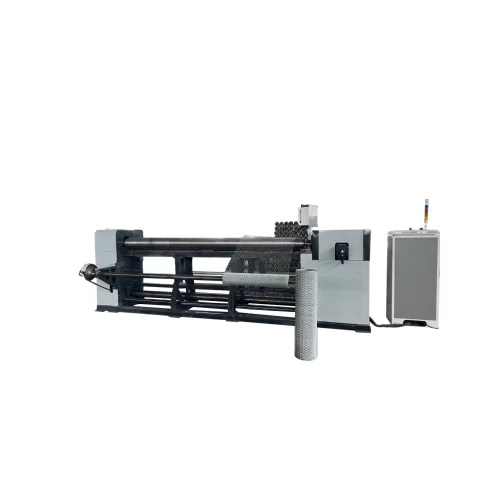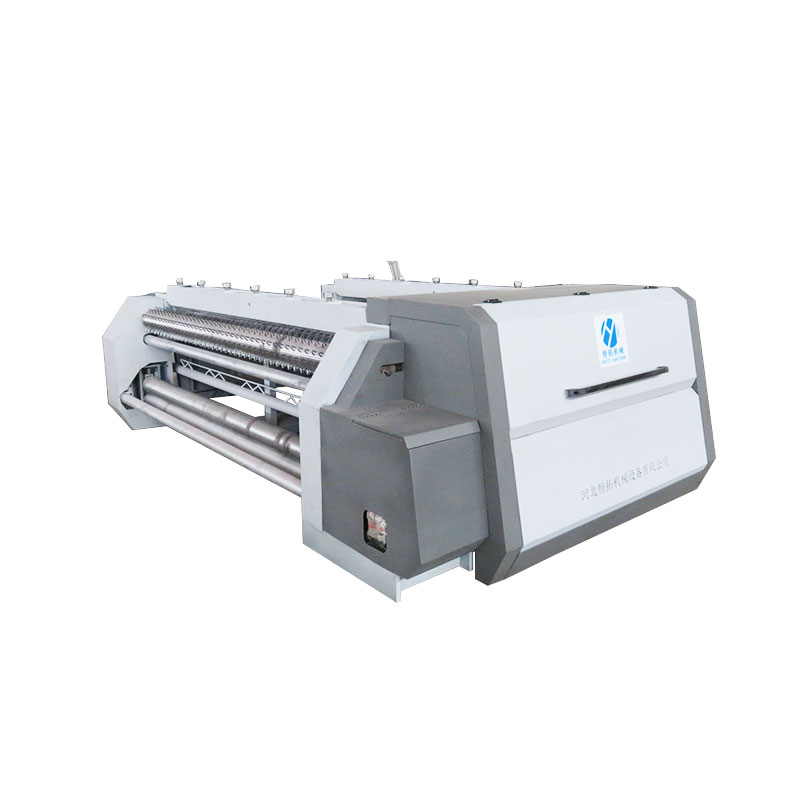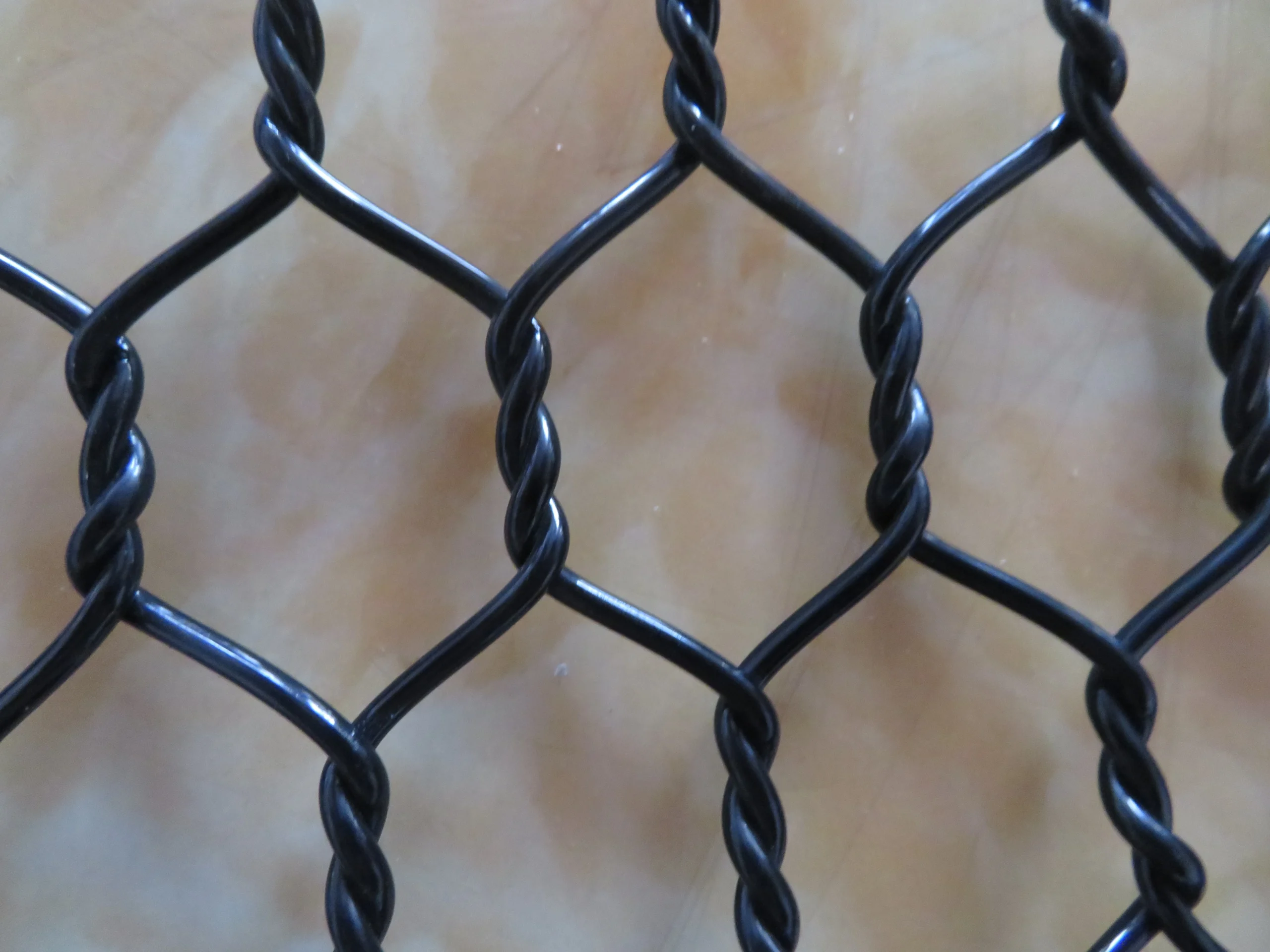
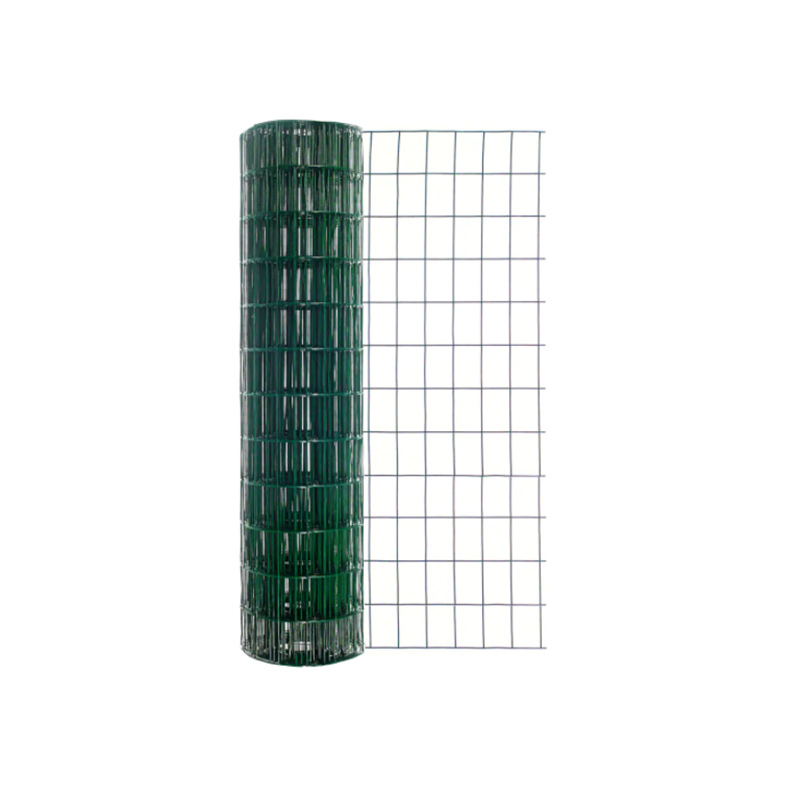
Industrial Fencing Solutions with gabion machine in Zimbabwe

Empowering Zimbabwe's infrastructure and agricultural security with high-precision wire mesh and fencing machinery designed for rugged African terrains.

Industrial Fencing Solutions with gabion machine in Zimbabwe

We provide advanced manufacturing equipment for the Zimbabwean market, specializing in high-durability security fencing and soil erosion control systems to support mining and farming sectors.

Analyzing the Wire Mesh Machinery Landscape in Zimbabwe

Addressing the demand for secure boundaries and civil engineering stability in the Zimbabwean economy.

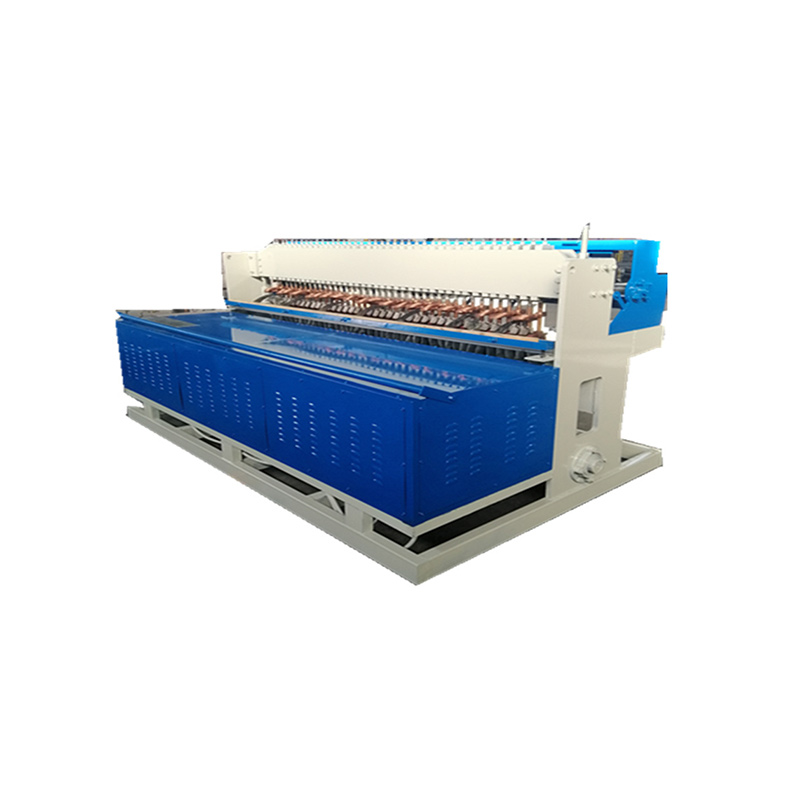
Zimbabwe's industrial sector is characterized by a heavy reliance on mining and large-scale commercial farming. The environmental conditions, marked by seasonal heavy rains and diverse topography, necessitate robust erosion control and high-security perimeters. Consequently, the demand for a reliable automatic welded wire mesh machine has surged to replace manual weaving methods.

In the agricultural heartlands, livestock protection is a primary concern. Farmers are increasingly transitioning from traditional wooden fences to more durable solutions produced by a grassland field fence machine, which offers better resilience against wildlife and environmental wear.

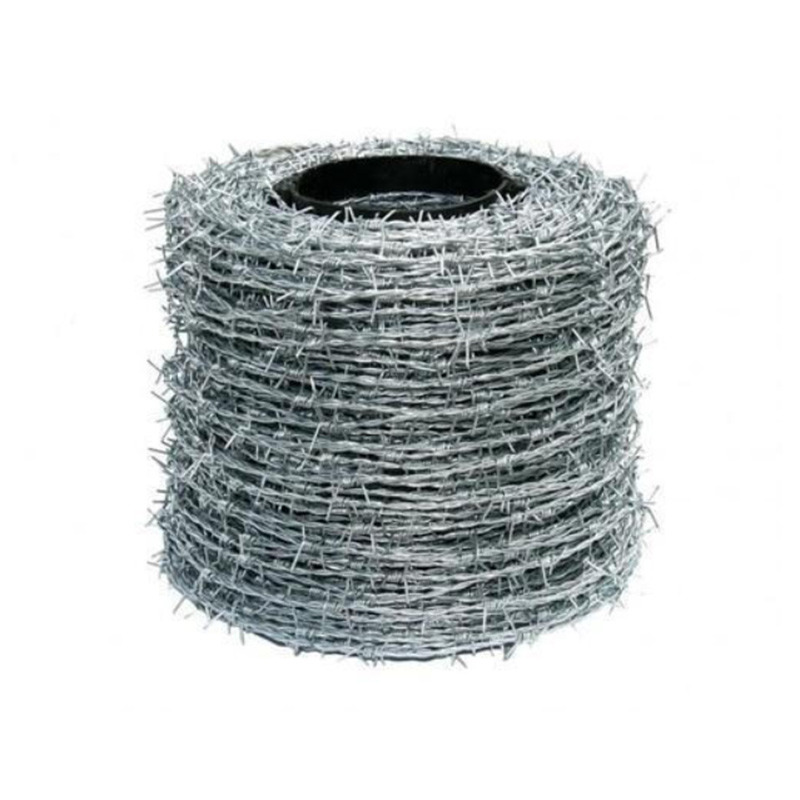
Furthermore, the mining regions in Zimbabwe require stringent security measures to protect valuable assets. This has led to a critical need for high-output production of security barriers using a razor barbed wire machine to ensure maximum deterrence and site safety.
Evolution and Trajectory of Fencing Technology

From manual wire twisting to fully automated CNC-controlled production systems.

Market Development History

Before 2010, the Zimbabwean market relied heavily on imported finished fencing or primitive manual machines. The production of prop barbed wire was largely a labor-intensive process with low consistency in barb spacing and tension.

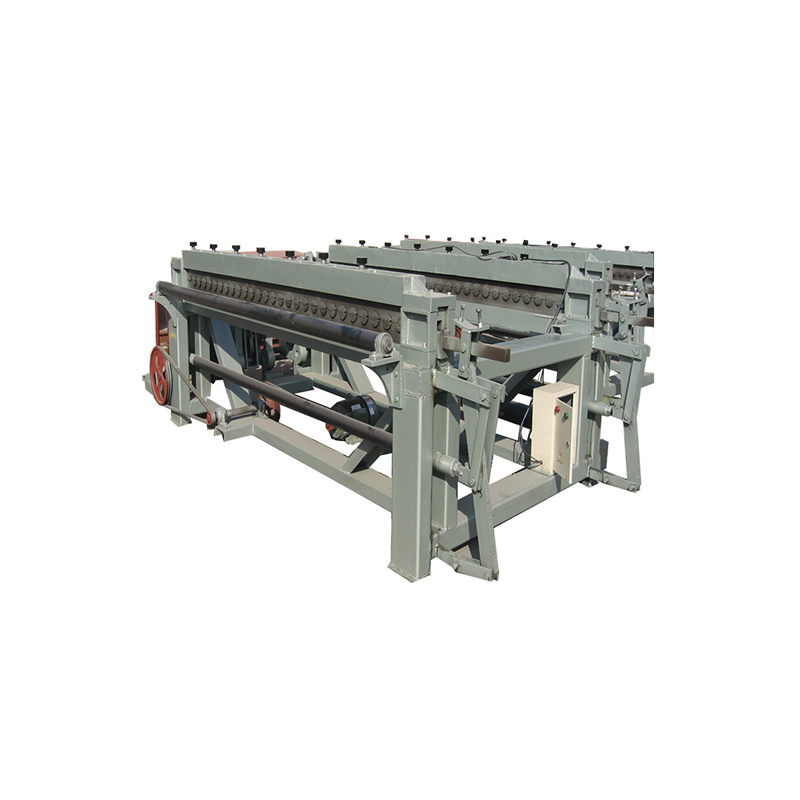
Between 2010 and 2020, the introduction of semi-automatic machinery allowed local workshops to increase output. The shift toward a gabion machine became prominent during this era as the government invested in road stabilization and riverbank protection projects across the country.

Since 2021, the industry has entered the "Intelligent Era." The adoption of PLC-controlled systems has minimized waste and maximized the speed of production, allowing Zimbabwean manufacturers to compete on a regional SADC scale.

Future Development Trends

IoT-Integrated Production

Integration of remote monitoring systems into machinery to track production yields and maintenance needs in real-time across distant factory sites.

High-Tensile Material Compatibility

A shift toward machines that can handle ultra-high-tensile galvanized steel to extend the lifespan of fences in corrosive environments.

Energy-Efficient Automation

Developing low-power consumption motors and hybrid power options to combat local electricity instability in manufacturing hubs.

Industry Outlook and Future Strategic Trends

Predicting the next 5 years of wire mesh manufacturing in the Southern African region.

Precision Engineering Shift
Moving toward micron-level precision in welding and weaving to reduce raw material waste by 15%.
Sustainable Coating Systems
Integration of eco-friendly PVC and galvanizing processes to prevent corrosion in tropical climates.
Modular Machine Design
Implementing plug-and-play modules for easier upgrading and local maintenance in Zimbabwe.
Labor Cost Optimization
Automation of the feeding and winding stages to reduce reliance on manual labor and human error.

Industry Outlook

Based on regional search trends, there is a growing focus on "sustainable infrastructure" in Zimbabwe. We anticipate a 25% increase in demand for specialized machinery that produces gabions for climate-resilient road works over the next three years.

The shift toward "Made in Zimbabwe" initiatives will drive local entrepreneurs to invest in complete production lines rather than importing finished rolls, favoring versatile machines that can switch between different fence types.

Local Application Scenarios in Zimbabwe

Real-world implementations of wire mesh technology across various Zimbabwean sectors.

01. Large-Scale Cattle Ranching in Mashonaland

Using a grassland field fence machine to create extensive perimeters that prevent livestock drift and protect pastures from invasive wildlife.

02. Mine Site Security in Great Dyke Region

Deployment of a razor barbed wire machine to produce high-security barriers for gold and platinum mine perimeters, ensuring maximum asset protection.

03. Civil Engineering & Bridge Support

Application of a gabion machine for producing rock-filled baskets used in riverbank reinforcement and slope stabilization for Zimbabwean highways.

04. Industrial Warehouse Zoning in Harare

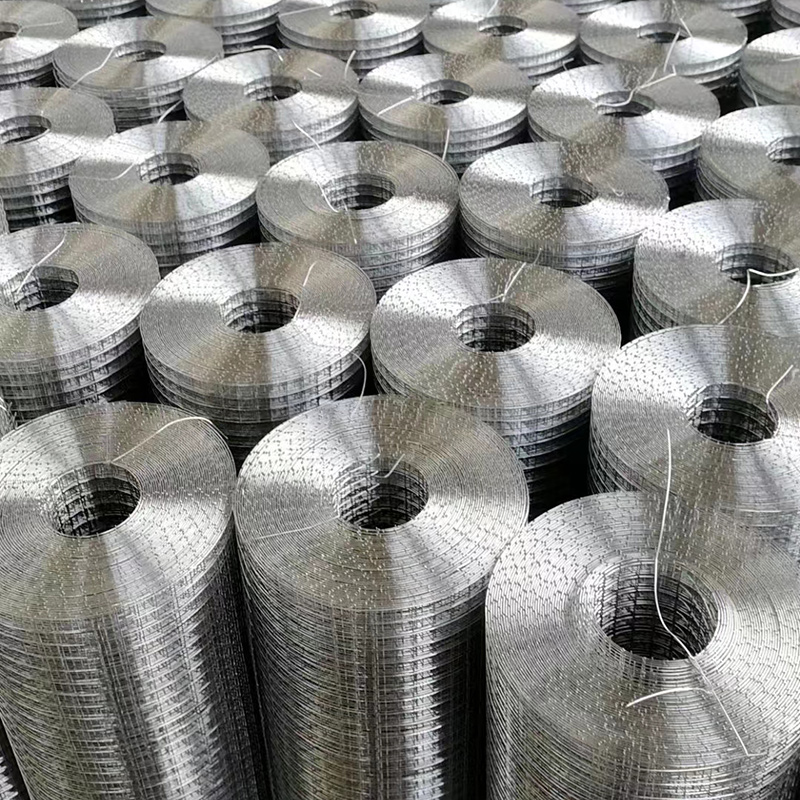
Utilization of an automatic welded wire mesh machine to create internal partitions and secure storage cages for logistics centers.

05. Rural Perimeter Protection

Implementing prop barbed wire production for affordable, high-strength boundary marking in rural community gardens and small-hold farms.

Brand Story

Global Development History of Hebei Mingyang Intelligent Equipment Co., Ltd.

Foundational Engineering

Started with a commitment to solving the inefficiency of manual wire weaving, focusing on core mechanical stability and durability.

Automation Breakthrough

Introduced PLC systems and CNC controls, transforming traditional machinery into high-speed intelligent production centers.

Global Market Expansion

Expanded footprints into Africa and Asia, tailoring equipment to meet the specific voltage and material standards of different regions.

Innovation in Sustainability

Developed energy-saving motors and precision-cutting technology to minimize industrial waste in the wire mesh sector.

Industry Leadership

Now recognized as a premier provider of integrated fencing solutions, solving the pain point of low productivity for global manufacturers.

Complete Machinery Portfolio for the Zimbabwe Market

High-efficiency equipment designed to withstand the demands of the Southern African industrial environment.

Frequently Asked Questions in Zimbabwe

Expert answers to common technical and commercial queries regarding wire mesh machinery.

How to maintain a razor barbed wire machine in dusty mining environments?

We recommend daily lubrication of moving parts and the use of industrial air compressors to clear dust from the PLC cabinet and cutting blades to prevent overheating and wear.

Can an automatic welded wire mesh machine handle varying wire gauges?

Yes, our machines feature adjustable welding heads and tensioners that allow operators to switch between different wire diameters quickly to meet diverse project requirements.

What is the average output of a professional gabion machine?

Depending on the model and automation level, our gabion machines can produce hundreds of standard cages per day, significantly reducing labor costs compared to manual weaving.

Is the grassland field fence machine suitable for high-tensile steel?

Absolutely. Our equipment is engineered with reinforced frames and high-torque motors specifically designed to handle high-tensile galvanized wires used in livestock fencing.

How long does the prop barbed wire production line take to install?

Typical installation takes 3-7 days. We provide detailed digital manuals and remote technical support to ensure your Zimbabwean team can operate the line efficiently.

What are the power requirements for industrial wire machinery in Zimbabwe?

Most of our machines are compatible with 380V/50Hz three-phase power. We also offer customized voltage stabilizers to ensure consistent performance during power fluctuations.

Get Your Customized Manufacturing Solution

Ready to scale your fencing production? Our experts are available to provide technical consultations and shipping logistics specifically for Zimbabwe.

Contact Us Now

If you are interested in our products, you can choose to leave your information here, and we will be in touch with you shortly.

  • captcha