Hit enter to search or ESC to close
26 March 2026
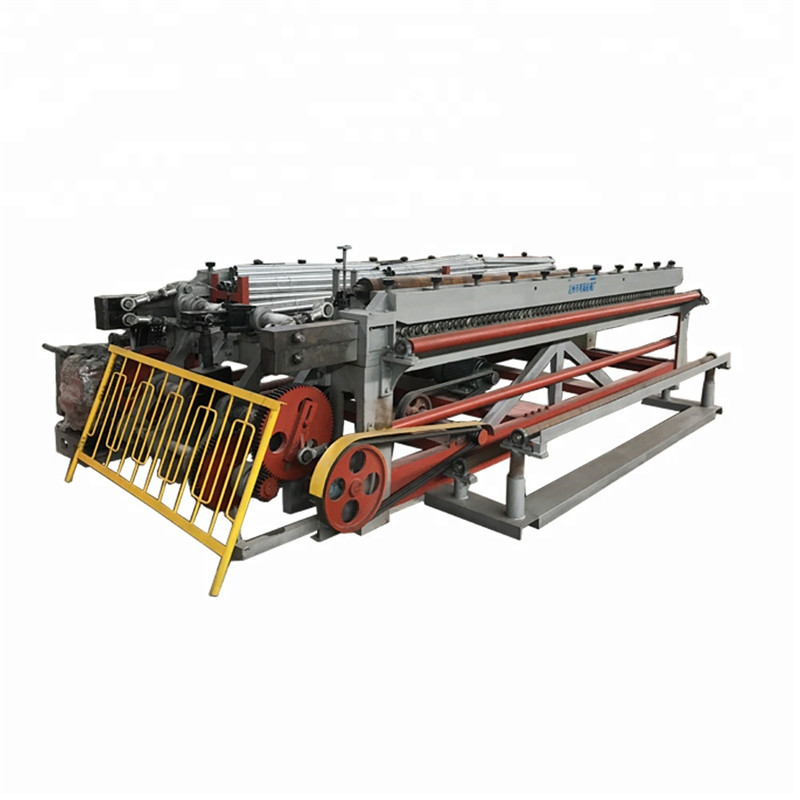
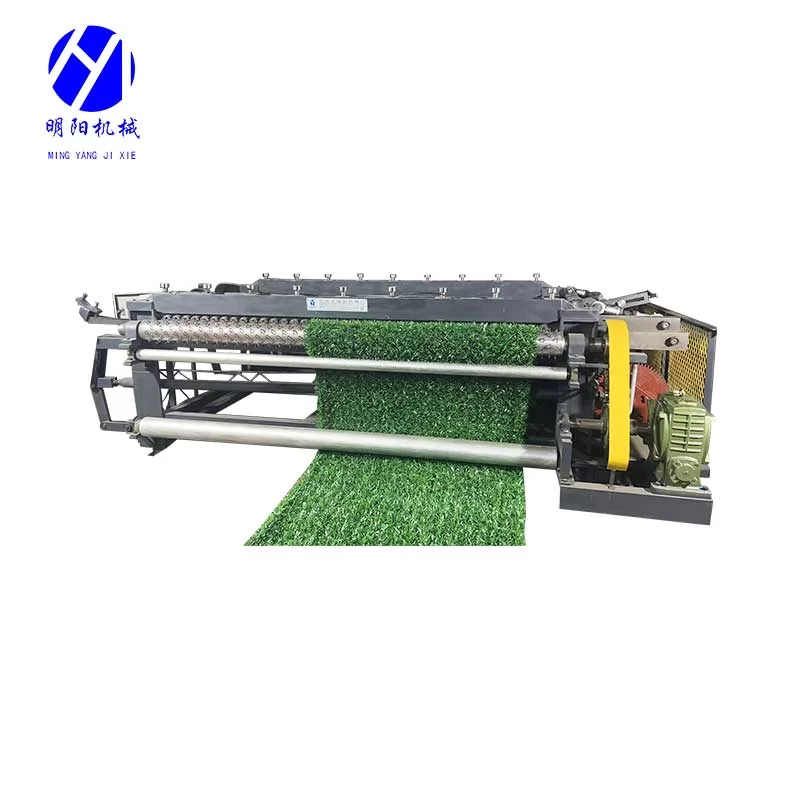
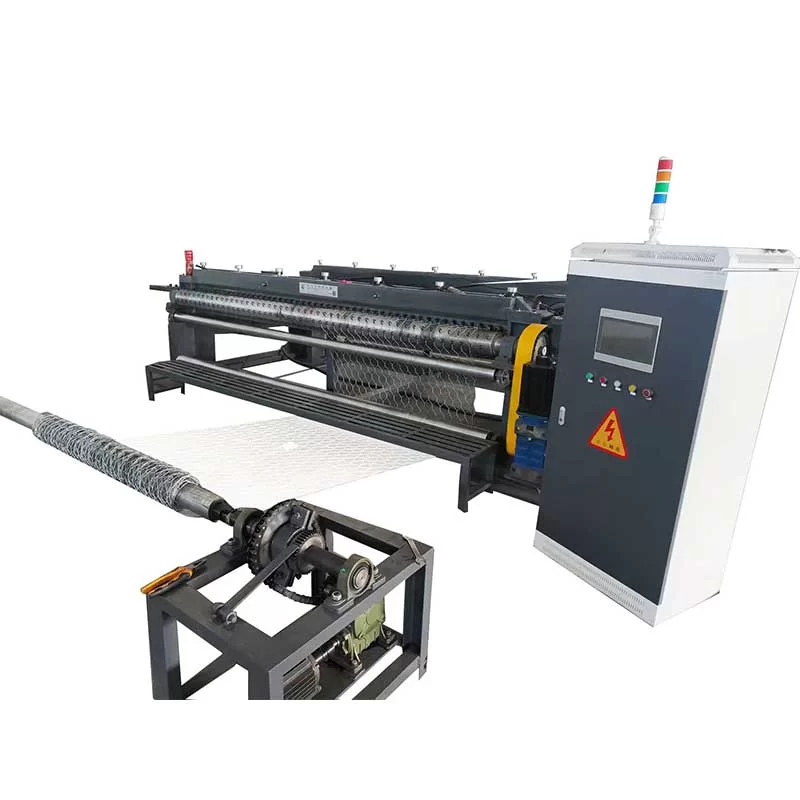
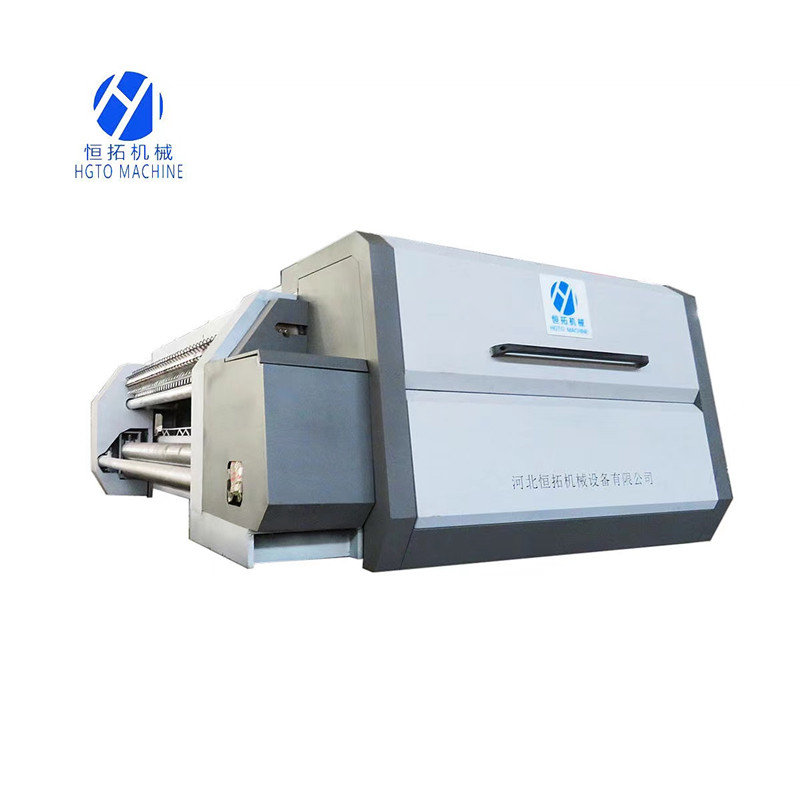
The demand for artificial grass continues to rise globally, driven by its low maintenance, aesthetic appeal, and versatility. This surge in demand has fueled a growing market for China artificial grass making machines. This article provides an in-depth look at these machines, exploring their types, key features, applications, and what to consider when making a purchase. We'll cover the technologies driving production and the benefits of sourcing from reputable manufacturers.
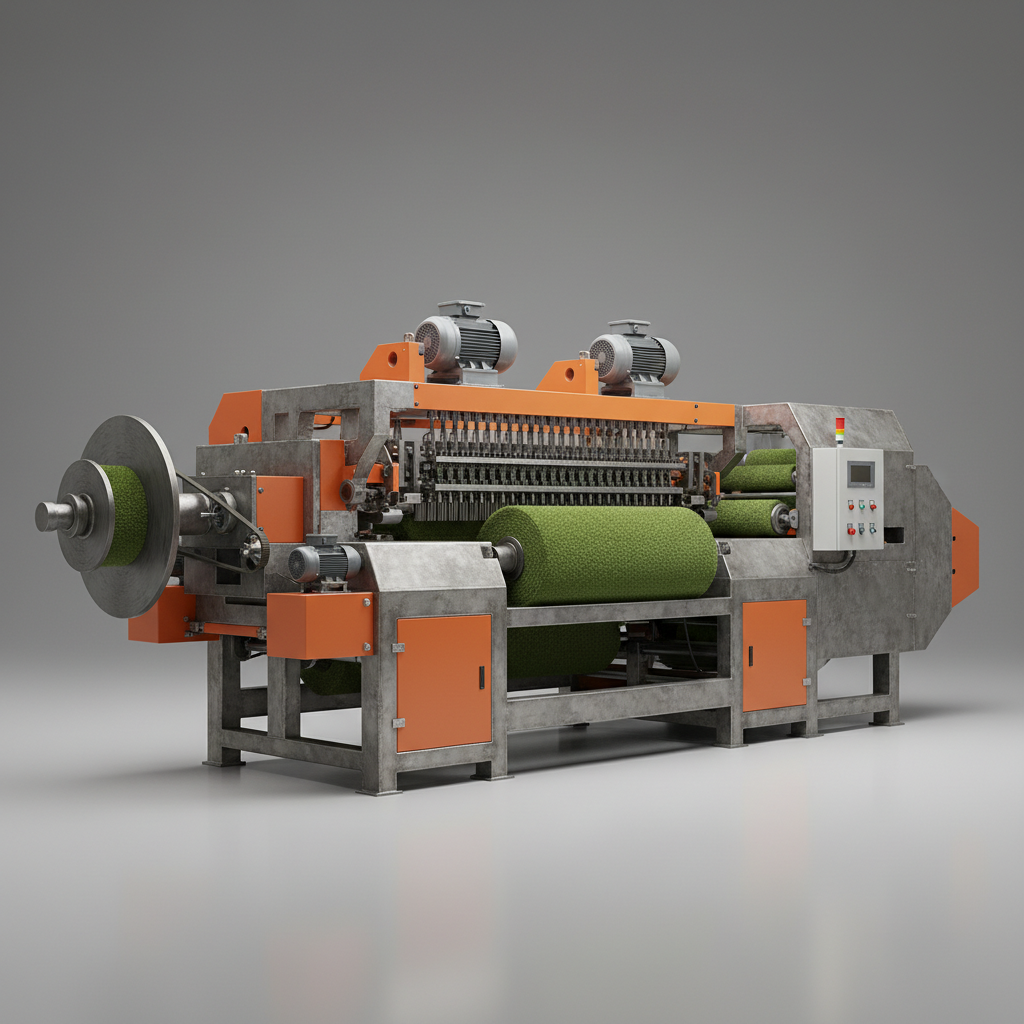
Several types of machines are used in artificial grass production, each suited for specific aspects of the process. The primary types include tufting machines, coating machines, and winding machines. Tufting machines are the core of the process, responsible for inserting the yarn into the backing fabric. Coating machines apply adhesives to secure the yarn and provide stability. Finally, winding machines roll the finished grass for easy transportation and installation. More advanced machines combine multiple functions for greater efficiency. The specific machine configuration depends on the desired grass type, density, and production volume.
When investing in a China artificial grass making machine, several features are crucial for optimal performance. These include the gauge (yarn density), working width (production capacity), needle type, and the level of automation. A higher gauge results in denser grass, while a wider working width allows for increased production. Automated machines offer improved efficiency and reduced labor costs. Look for machines with robust construction, reliable components, and user-friendly interfaces for easy operation and maintenance.
Key Considerations: A higher gauge results in denser grass, while a wider working width allows for increased production. Automated machines offer improved efficiency and reduced labor costs.
Artificial grass finds diverse applications, including sports fields (soccer, football, golf), landscaping (residential lawns, commercial spaces), and recreational areas (playgrounds, pet areas). The machines need to be capable of producing different pile heights, yarn colors, and densities to cater to these varied needs. For example, sports fields require durable grass with high wear resistance, while residential lawns prioritize aesthetics and softness. Machines with adjustable settings and a wide range of yarn compatibility are essential for serving multiple markets.
Here's a comparison of popular machine specifications to help you navigate your options:
Sourcing a China artificial grass making machine requires careful supplier selection. Look for manufacturers with a proven track record, robust quality control processes, and excellent after-sales service. HTM Mesh Machines offers a comprehensive range of machines, competitive pricing, and dedicated support to ensure your production success. We prioritize innovation, quality, and customer satisfaction.
The artificial grass industry presents a significant opportunity for entrepreneurs and manufacturers. Investing in a high-quality China artificial grass making machine is the first step toward capitalizing on this growing market. By carefully considering your production needs, selecting the right features, and partnering with a reliable supplier like HTM Mesh Machines, you can establish a successful and profitable business.
Lead times vary depending on the machine's complexity and customization requirements. Generally, standard machines have a lead time of 30-60 days, while customized machines may take 60-90 days. It's important to confirm the lead time with the supplier before placing an order, especially during peak seasons. HTM Mesh Machines provides accurate lead time estimates and proactive communication throughout the production process.
Reputable suppliers like HTM Mesh Machines offer comprehensive after-sales support, including installation guidance, operator training, technical assistance, and spare parts availability. Remote troubleshooting and on-site service are also often available. A strong after-sales network is crucial for minimizing downtime and ensuring the long-term performance of your machine.
Power consumption varies depending on the machine's size and features, as shown in the specifications table above. Generally, smaller machines consume around 5.5kW, while larger, more automated machines may require up to 11kW or more. It’s important to ensure your facility has adequate electrical capacity to support the machine's power requirements.
Most machines can handle a variety of yarn types, including polyethylene (PE), polypropylene (PP), and polyamide (PA – Nylon). However, it's important to confirm with the supplier which yarn types are compatible with a specific machine model. Different yarn types offer varying levels of durability, UV resistance, and aesthetic appeal, so the choice depends on the intended application of the artificial grass.