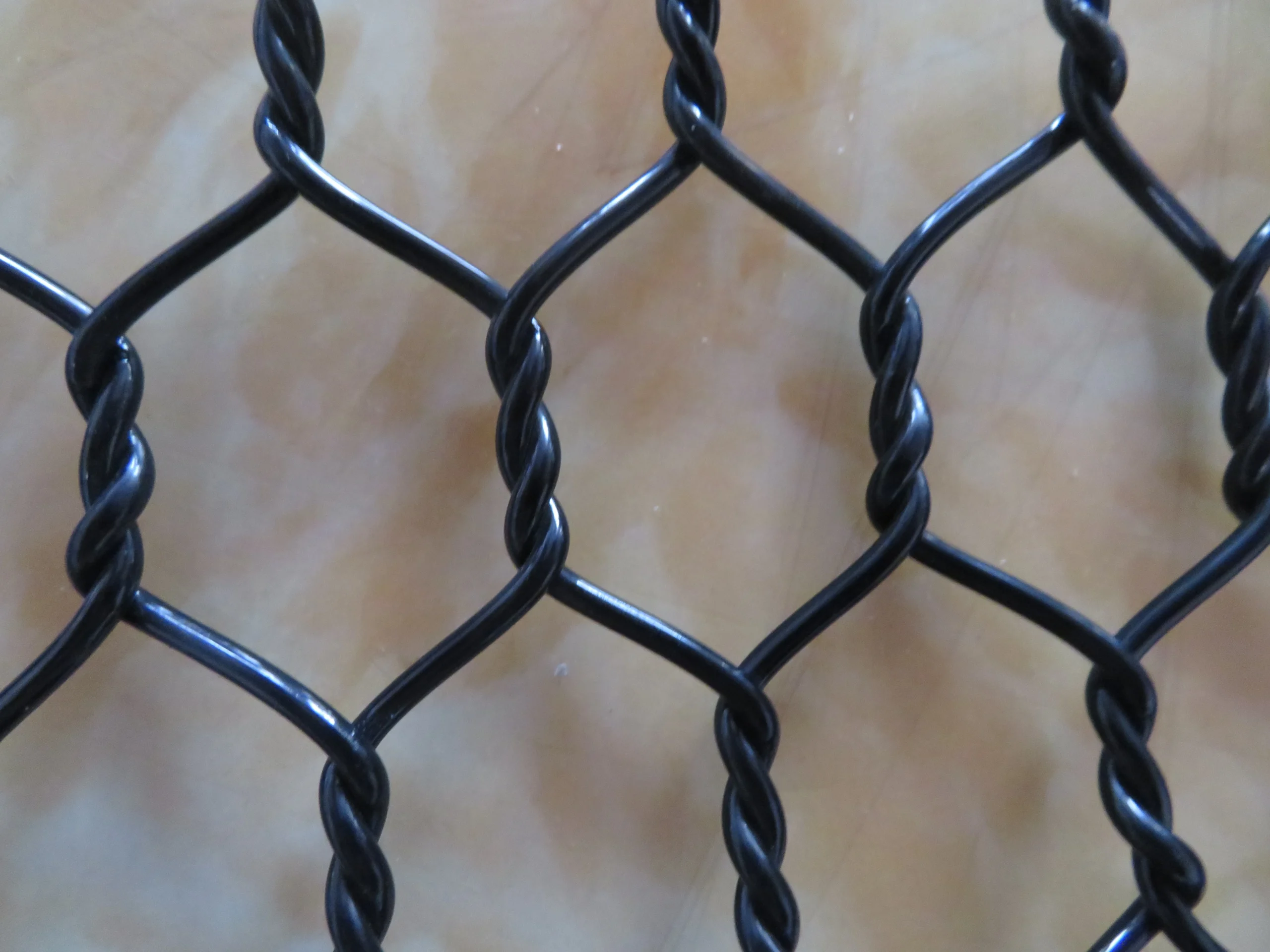
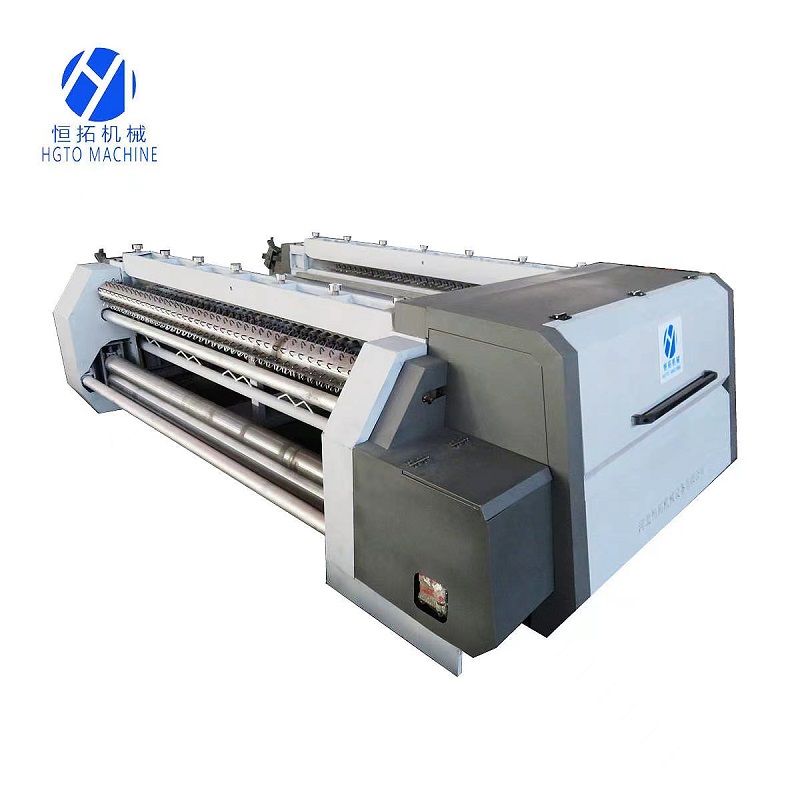
Advanced Wire Mesh Solutions with automatic welded wire mesh machine for New Zealand

Providing high-precision industrial fencing and mesh equipment tailored for New Zealand's rugged agricultural and infrastructure landscapes.

Advanced Wire Mesh Solutions with automatic welded wire mesh machine for New Zealand

We offer a comprehensive range of specialized machinery designed to enhance the efficiency of wire fence and mesh production for the New Zealand market.

Industrial Landscape of Wire Mesh Production in New Zealand

Analysis of specialized equipment demand within the Oceania region.

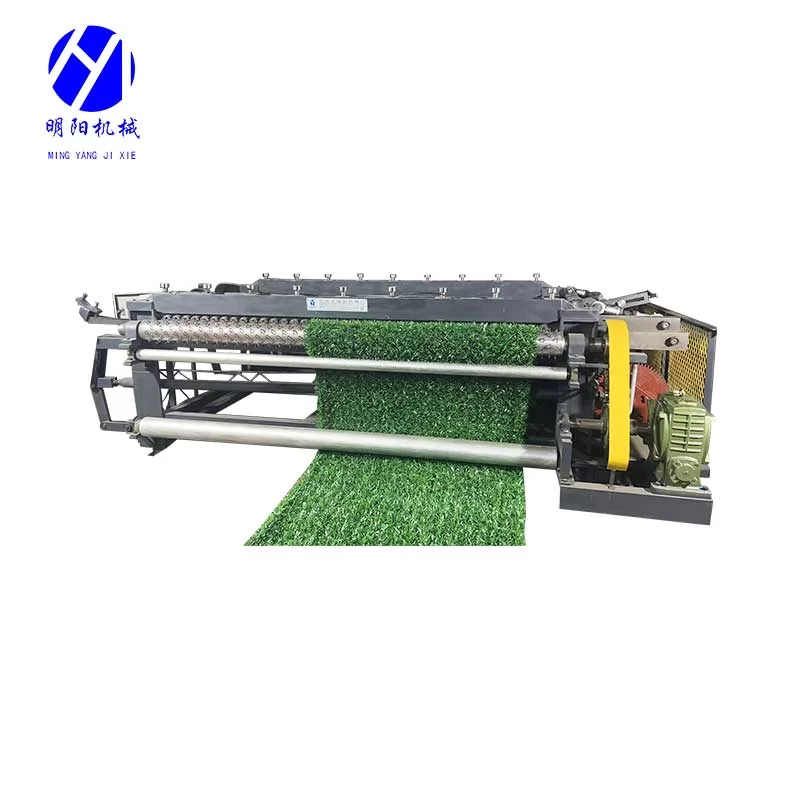
New Zealand's geography, characterized by vast pastoral lands and a strong agricultural economy, creates a high demand for durable fencing. The local industry relies heavily on high-quality grassland field fence machine output to secure livestock and define property boundaries across hilly terrains.

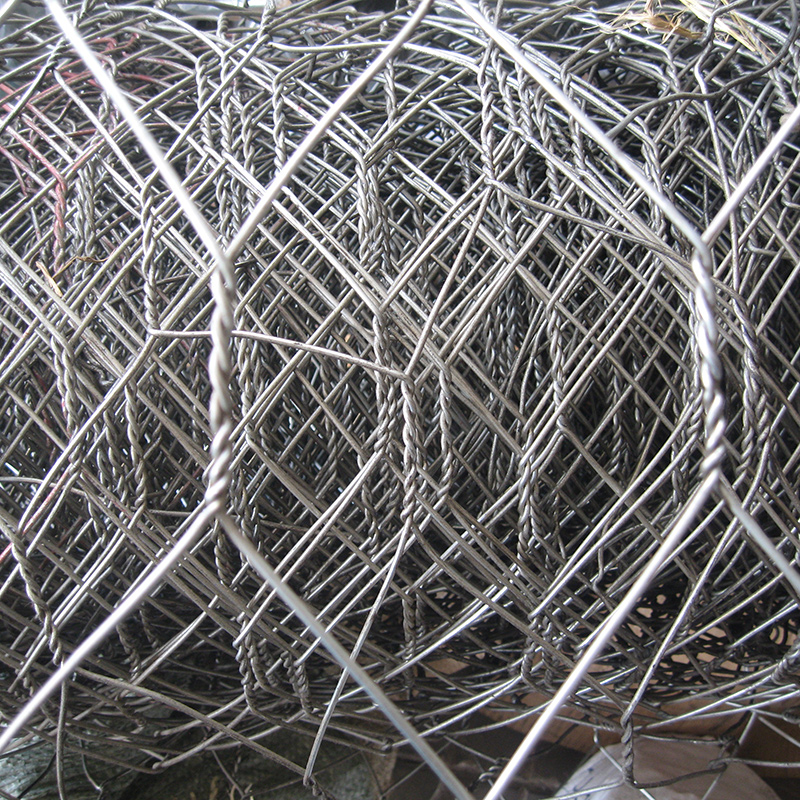
Environmental factors, such as high coastal salinity and varied humidity, necessitate the use of advanced galvanization and weaving technologies. Producers in New Zealand are shifting toward automated systems to reduce labor costs, which are among the highest in the Oceania region, making the gabion machine essential for erosion control in coastal and riverbank projects.

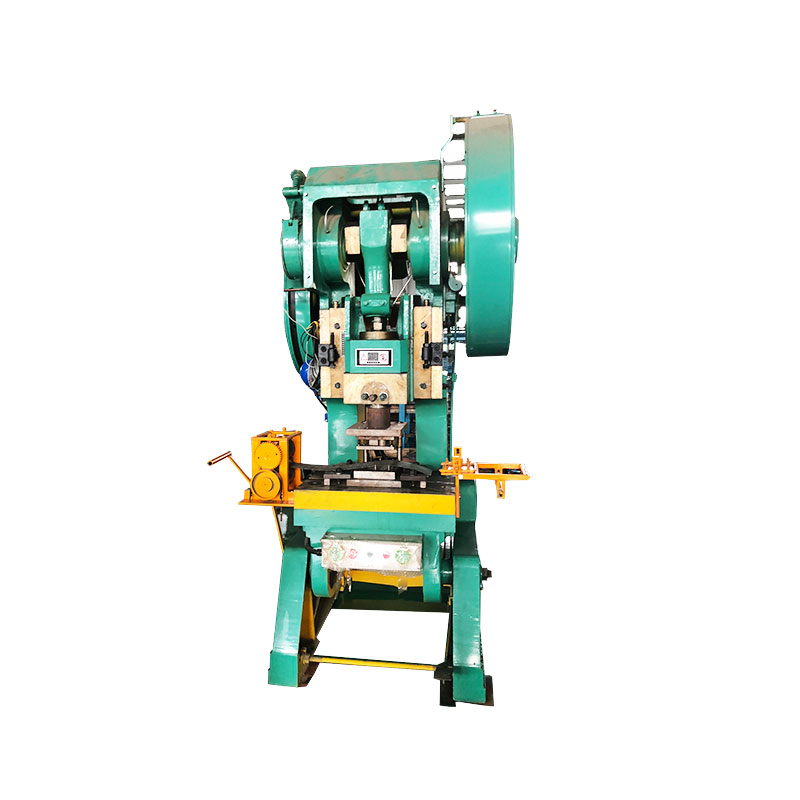
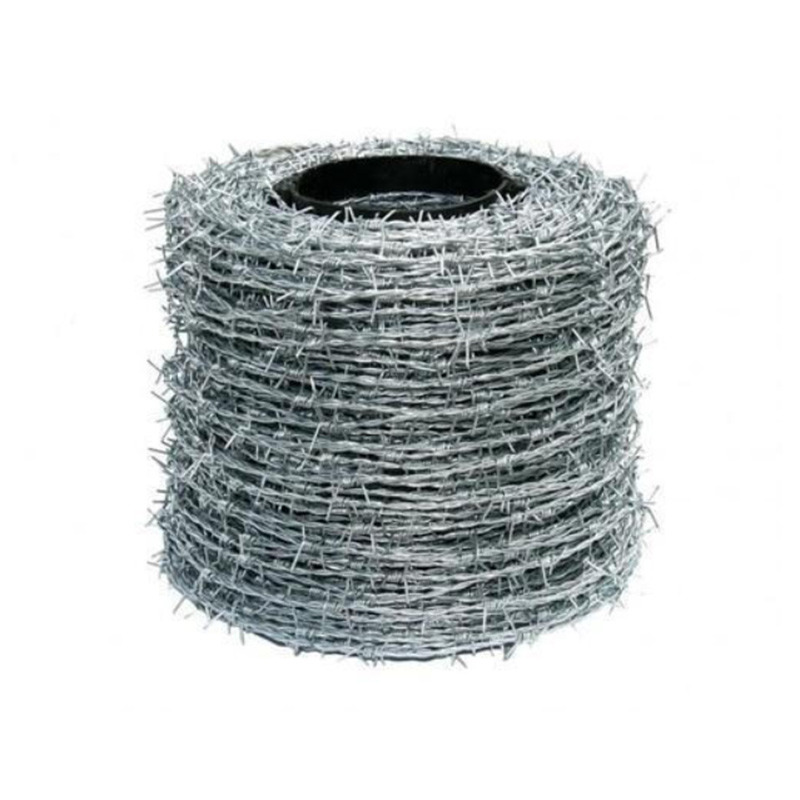
Furthermore, the stringent biosecurity and boundary regulations in New Zealand drive the need for high-security perimeter solutions. This has led to a steady increase in the adoption of the razor barbed wire machine for government and high-value infrastructure protection.
Evolution and Technical Trajectory of Mesh Machinery

From manual weaving to fully integrated automated production lines.

Market Development History

In the early stages (pre-2000s), the New Zealand market relied on semi-automatic, mechanical looms for basic fencing. Production was labor-intensive, with limited precision in weld points and wire tension, often resulting in inconsistent fence durability.

Between 2010 and 2020, there was a significant shift toward PLC-controlled systems. The introduction of the prop barbed wire technology allowed for faster tensioning and better consistency, catering to the expanding dairy and sheep farming sectors.

Today, the industry has entered the era of "Smart Manufacturing." Current systems integrate servo-motor precision and IoT monitoring, allowing for real-time adjustments in wire diameter and weld strength to meet international ISO standards.

Future Development Trends

High-Speed Precision Welding

Integration of AI-driven quality control to minimize waste and increase the output speed of welded mesh systems.

Sustainable Material Processing

Development of machinery capable of processing recycled steel and eco-friendly coatings to align with New Zealand's "Green" initiatives.

Modular Design Flexibility

Transition toward modular machine setups that allow producers to switch between different fence styles rapidly based on seasonal demand.

Future Outlook for Wire Mesh Engineering

Strategic technological forecasting for the Oceania market.

Automation Integration
Increased adoption of fully autonomous production lines to counteract New Zealand's labor shortages.
Precision Engineering
Enhanced weld strength and gap accuracy using advanced servo-driven mechanisms.
Material Innovation
Optimizing machinery for high-tensile steel and composite wire variants.
Energy Efficiency
Reduction of power consumption in welding cycles to lower operational overhead.

Industry Outlook

Based on current Google search trends in Oceania, there is a rising interest in "smart farming" and "automated infrastructure." This suggests that the demand for high-efficiency machinery will shift from general-purpose to highly specialized equipment that can be integrated into a digital factory ecosystem.

Within the next 3-5 years, we anticipate a surge in the demand for localized production. New Zealand companies will likely invest more in on-site automatic welded wire mesh machine installations to avoid supply chain disruptions and reduce import costs from overseas.

Localized Application Scenarios in New Zealand

Practical implementations of wire machinery across New Zealand's diverse sectors.

1. Livestock Containment in Otago Highlands

Using a grassland field fence machine to produce high-tensile fencing that withstands the extreme weather and pressure of sheep and cattle farming in the Southern Alps.

2. Coastal Erosion Control in Auckland

Implementing a gabion machine to create heavy-duty stone cages for shoreline stabilization and flood defense in coastal urban areas.

3. High-Security Perimeter for Airport Hubs

Deployment of a razor barbed wire machine to manufacture anti-climb barriers for international airports and secure government facilities.

4. Vineyard Protection in Marlborough

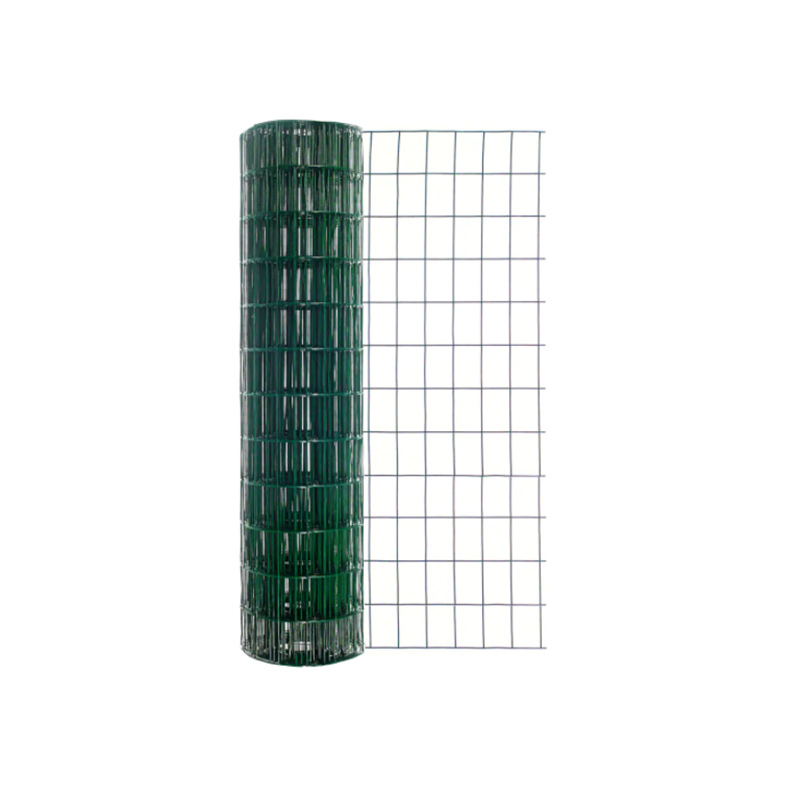
Utilizing an automatic welded wire mesh machine to produce precise support grids and pest-exclusion netting for the premium wine industry.

5. Agricultural Boundary Marking

Production of durable markers using prop barbed wire equipment to ensure long-term boundary stability in rural farming districts.

Brand Story

Global Development History of Hebei Mingyang Intelligent Equipment Co., Ltd.

Foundational Precision

Established with a vision to solve the inconsistency of manual welding, we began by innovating the core mechanical synchronization of mesh machines.

Technological Leap

Integrated PLC and servo-motor technology, transforming traditional machinery into intelligent systems with micron-level precision.

Global Expansion

Expanded our footprint into Oceania, adapting our equipment to meet the unique environmental and labor standards of the New Zealand market.

Industrial Leadership

Became a leading provider of comprehensive wire mesh solutions, focusing on durability, automation, and energy efficiency.

Sustainable Future

Currently pioneering "Green Manufacturing" to help our global clients reduce their carbon footprint through optimized energy use.

Common Questions for New Zealand Wire Mesh Producers

Expert answers to technical and operational queries.

How to choose the right automatic welded wire mesh machine for high-salinity coastal areas?

For coastal regions, we recommend machines that can process heavy-duty galvanized or PVC-coated wires to prevent corrosion. Ensure the machine has precise tension control to maintain the integrity of the coating during welding.

What is the production capacity of a modern grassland field fence machine?

Modern automated machines can produce several hundred meters per hour, depending on the wire gauge and mesh aperture. Our systems are optimized for the high-volume needs of New Zealand's agricultural sector.

Can a gabion machine be customized for specific stone sizes used in NZ civil engineering?

Yes, our gabion machinery allows for adjustable mesh sizes and wire thicknesses to ensure the cages can support the specific density of local New Zealand river stones and basalt.

What maintenance is required for a razor barbed wire machine in a rural setting?

Regular lubrication of the feeding rollers and calibration of the cutting blades are essential. We provide remote diagnostic support to minimize downtime for rural operators.

How does prop barbed wire equipment differ from standard barbed wire machines?

Prop barbed wire equipment focuses on higher structural stability and specific spacing intervals, ensuring the fence can withstand greater lateral pressure from livestock.

Are these machines compatible with the electricity standards in New Zealand?

Absolutely. All our equipment is customized to match New Zealand's voltage and frequency requirements, including the installation of necessary industrial transformers and safety breakers.

Ready to Upgrade Your Production?

Contact our engineering team for a customized wire mesh machinery solution tailored for New Zealand.

               Contact Us Now                    

If you are interested in our products, you can choose to leave your information here, and we will be in touch with you shortly.

  • captcha