The global demand for efficient and reliable animal housing solutions is steadily increasing, driven by factors such as growing populations, intensifying agricultural practices, and a heightened focus on animal welfare. A crucial component in meeting this demand is the availability of high-quality chicken mesh making machine, which provides the essential material for constructing safe, durable, and cost-effective poultry enclosures. Understanding the nuances of chicken mesh making machine – from its manufacturing processes to its diverse applications – is paramount for stakeholders across the agricultural sector, construction industries, and even disaster relief organizations.
The production of chicken mesh plays a significant role in supporting food security and economic stability worldwide. According to the Food and Agriculture Organization of the United Nations (FAO), poultry accounts for approximately 30% of the total meat consumed globally, making efficient poultry farming a vital component of the food supply chain. Reliable access to quality chicken mesh, facilitated by advancements in chicken mesh making machine, directly impacts poultry farmers' ability to protect their flocks from predators, disease, and harsh weather conditions, contributing to increased productivity and reduced losses.
Investing in understanding and improving chicken mesh making machine isn't just about better enclosures; it’s about bolstering global food systems and improving livelihoods. It's about ensuring a sustainable future for poultry farming by optimizing resource utilization, minimizing environmental impact, and promoting animal welfare. As populations grow, and the demand for protein continues to rise, the role of efficient chicken mesh production – made possible by innovative chicken mesh making machine – will only become more critical.
Introduction: Global or Industry Context
The demand for chicken mesh is intrinsically linked to the global poultry industry, which is experiencing significant growth, particularly in developing nations. This growth is fueled by rising incomes, changing dietary preferences, and the increasing affordability of poultry products. Consequently, the need for robust and dependable chicken mesh making machine to meet this expanding demand is paramount. The efficiency and capabilities of these machines directly influence the availability and cost of this critical material.
Data from the World Bank indicates a consistent rise in meat consumption worldwide, with poultry demonstrating one of the highest growth rates. This trend highlights the importance of optimizing poultry farming practices, including the construction of secure and hygienic enclosures. The quality of chicken mesh, largely determined by the precision of the chicken mesh making machine used in its production, impacts both the health and productivity of poultry flocks.
Definition & Meaning
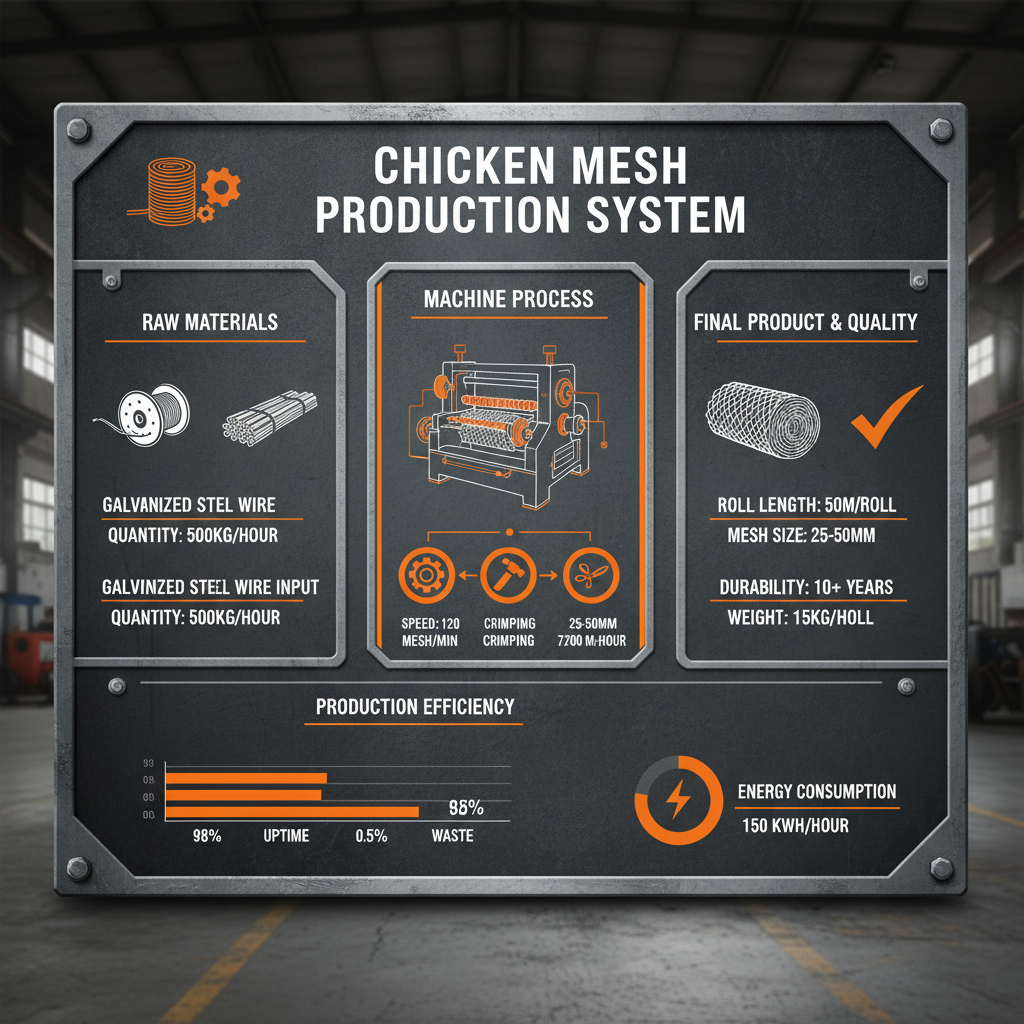
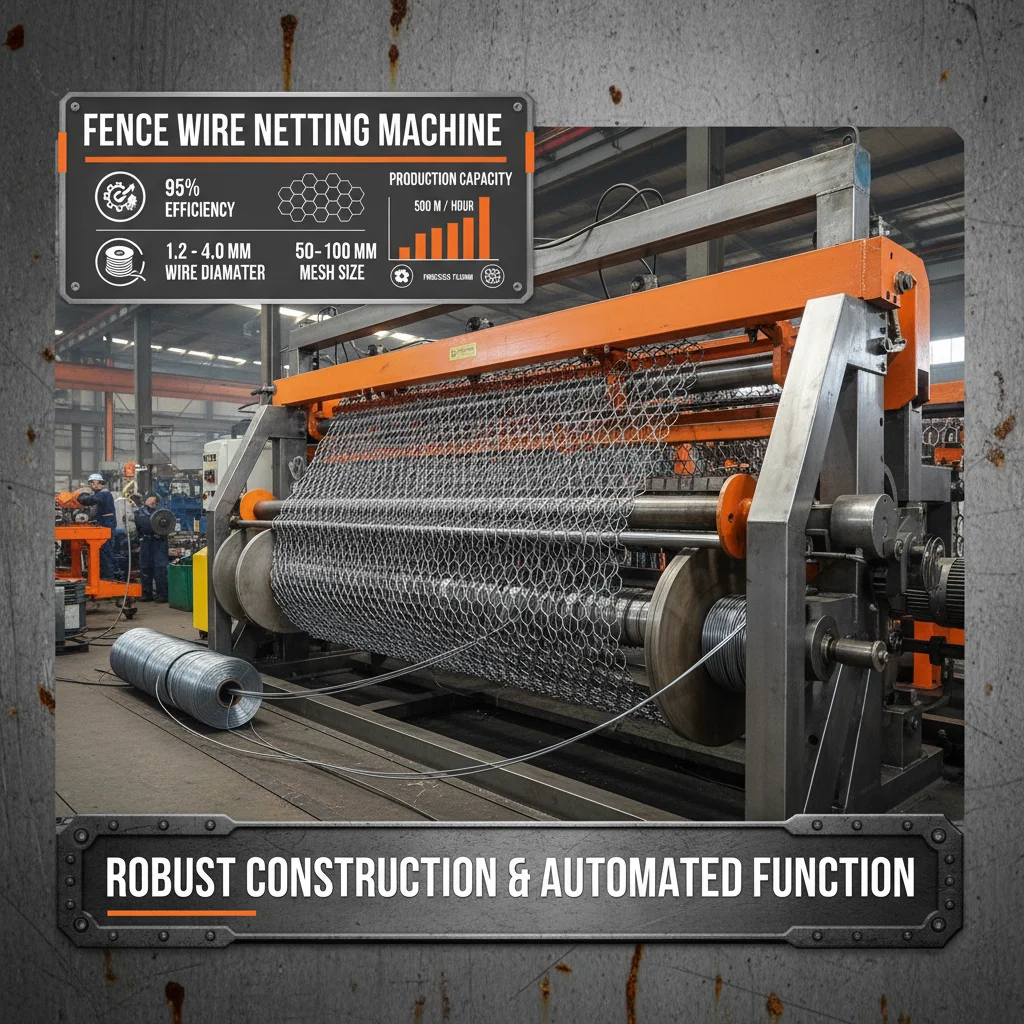
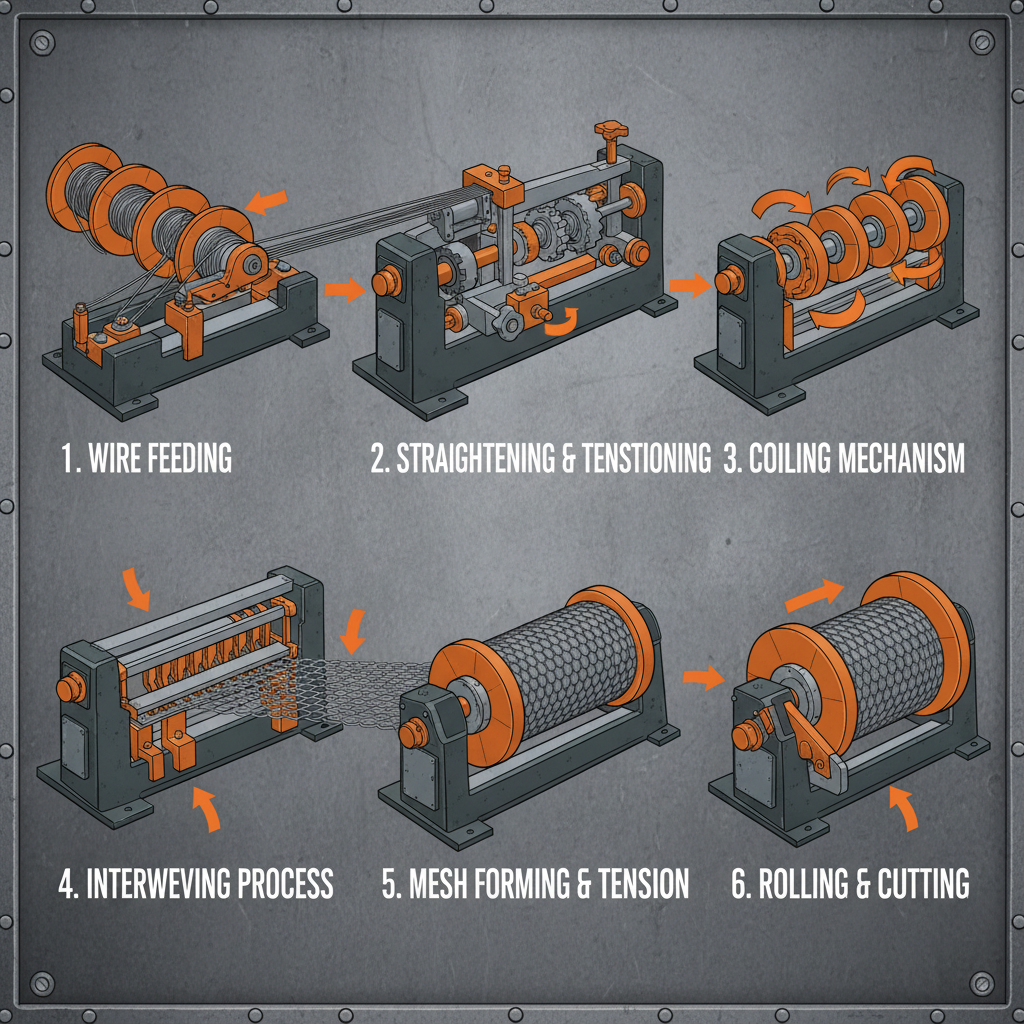
A chicken mesh making machine is a specialized piece of industrial equipment designed to automatically fabricate wire mesh specifically intended for poultry enclosures. These machines typically utilize a series of automated processes – including wire feeding, bending, cutting, and interlocking – to produce a continuous roll of mesh with consistent aperture size and structural integrity. The resulting mesh, often galvanized or PVC-coated for enhanced durability, provides a secure barrier against predators, maintains optimal ventilation, and prevents the escape of poultry.
In modern industry, chicken mesh making machine represent a critical advancement over traditional manual mesh fabrication methods. The automation offered by these machines leads to significantly increased production capacity, reduced labor costs, and improved product consistency. This is especially vital for large-scale poultry farms and commercial operations.
Beyond the purely agricultural context, the principles of chicken mesh making machine find applications in various other fields, including construction (reinforcement materials), filtration systems, and even protective barriers for sensitive environments. The adaptability of wire mesh production underscores the broader humanitarian impact of advancements in this technology.
Key Factors or Core Components
Durability: The quality of materials used in both the mesh itself (wire gauge, coating) and the machine’s construction are paramount. A robust chicken mesh making machine will withstand continuous operation and produce mesh that resists corrosion, weathering, and physical damage.
Production Capacity: Measured in meters per hour, production capacity directly impacts the cost-effectiveness of the operation. Higher capacity machines require less labor per unit of output, making them ideal for large-scale production. Different models of chicken mesh making machine are designed to cater to varying production requirements.
Mesh Aperture Control: Precise control over the size and uniformity of the mesh apertures is critical. This ensures the mesh provides adequate protection against predators while also allowing for proper ventilation and sunlight penetration. Advanced chicken mesh making machine often incorporate automated adjustment systems for optimizing aperture size.
Automation Level: The degree of automation – from simple semi-automatic machines to fully automated lines – impacts labor requirements, production speed, and overall efficiency. Fully automated machines minimize human intervention, reducing the risk of errors and maximizing throughput.
Global Applications & Use Cases
Chicken mesh manufactured by chicken mesh making machine finds widespread application in constructing poultry houses across the globe, from small-scale family farms in rural areas to large-scale industrial poultry operations. The mesh is used for walls, roofing, and floor coverings, providing a secure and hygienic environment for poultry. In regions like Southeast Asia, where smallholder poultry farming is prevalent, affordable and durable mesh is particularly crucial.
Beyond traditional farming, chicken mesh plays a critical role in biosecurity measures, helping to prevent the spread of avian diseases. Properly constructed enclosures using quality mesh limit contact between poultry and wild birds, reducing the risk of disease transmission. In post-disaster relief operations, lightweight and easily deployable chicken mesh can be used to create temporary shelters for poultry, helping to restore food security in affected communities.
In remote industrial zones where labor costs are high, the use of automated chicken mesh making machine allows for localized production, reducing transportation costs and ensuring a reliable supply of essential materials. This is particularly evident in regions of South America and Africa where the demand for locally sourced agricultural inputs is increasing.
Chicken Mesh Making Machine Performance Comparison
Advantages & Long-Term Value
The benefits of utilizing high-quality chicken mesh, produced by efficient chicken mesh making machine, are multi-faceted. From a cost perspective, durable mesh reduces the frequency of replacements, minimizing long-term expenses for poultry farmers. Furthermore, a secure enclosure enhances biosecurity, reducing the risk of disease outbreaks and subsequent economic losses. The increased productivity resulting from a safe and healthy environment for poultry directly translates to higher profits for farmers.
From a sustainability standpoint, the longevity of well-made chicken mesh contributes to reduced waste and a lower environmental footprint. Choosing machines that prioritize energy efficiency and minimize material waste further enhances the ecological benefits. The inherent reliability of quality mesh ensures that resources are not wasted on frequent repairs or replacements. This fosters a sense of trust and responsibility within the agricultural community.
Future Trends & Innovations
The future of chicken mesh making machine is poised for significant advancements, driven by trends in automation, digitalization, and sustainable manufacturing. We can anticipate the integration of AI-powered quality control systems to ensure consistent mesh dimensions and detect defects in real-time. Furthermore, the use of lightweight, high-strength materials – such as advanced polymer coatings – will enhance the durability and lifespan of the mesh.
The adoption of Industry 4.0 principles, including remote monitoring and predictive maintenance, will optimize machine performance and minimize downtime. Green energy solutions – such as solar-powered operation – are also likely to become increasingly prevalent, reducing the environmental impact of mesh production. These innovations will not only enhance the efficiency of chicken mesh making machine but also contribute to a more sustainable and resilient poultry industry.
Challenges & Solutions
One of the primary challenges in chicken mesh making machine operation is maintaining consistent wire tension and preventing material breakage, especially when working with high-tensile wires. Addressing this requires precise control systems and regular maintenance of machine components. Another challenge is the high initial investment cost of advanced automated machines, which can be prohibitive for small-scale farmers.
Solutions include developing more affordable and modular machine designs that cater to varying production scales. Financial assistance programs and leasing options can also help to overcome the cost barrier. Furthermore, ongoing research and development efforts focused on improving material handling and reducing energy consumption will contribute to more efficient and sustainable chicken mesh making machine.
The need for skilled technicians to operate and maintain these complex machines presents another challenge. Investing in training programs and providing comprehensive technical support can mitigate this issue, ensuring that machines operate at optimal performance levels and minimizing downtime.
Analysis of Key Performance Indicators for Chicken Mesh Making Machine
| Machine Type | Production Speed (m/hr) | Material Waste (%) | Maintenance Frequency (Months) |
|---|
| Manual Machine | 10 | 15 | 1 |
| Semi-Automatic Machine | 30 | 10 | 3 |
| Fully Automatic Machine (Basic) | 60 | 5 | 6 |
| Fully Automatic Machine (Advanced) | 100 | 2 | 12 |
| High-Speed PLC Controlled Machine | 150 | 1 | 18 |
| Multi-Functional Mesh Machine | 80 | 3 | 9 |
FAQS
Galvanized chicken mesh is coated with a layer of zinc to prevent rust and corrosion, making it suitable for most outdoor applications. PVC-coated mesh offers an additional layer of protection, enhancing its resistance to harsh chemicals and extreme weather conditions, making it ideal for environments with high humidity or corrosive elements. PVC coating also reduces the risk of injury to birds, while galvanization can sometimes cause irritation.
The lifespan of chicken mesh depends on the quality of the materials used, the environmental conditions, and the level of maintenance. High-quality galvanized or PVC-coated mesh, properly installed and maintained, can last for 5-10 years or longer. Regular inspections are crucial to identify and repair any damage, such as tears or rust spots, before they compromise the integrity of the enclosure.
The appropriate mesh size depends on the size and breed of poultry. For chicks, a smaller mesh size (e.g., 1/2 inch) is necessary to prevent them from escaping. For larger chickens, a mesh size of 1 inch is typically sufficient. It’s important to choose a mesh size that effectively protects against predators while also providing adequate ventilation and preventing injuries.
Consider your production volume, budget, and the type of mesh you need to produce. Semi-automatic machines are suitable for smaller operations, while fully automatic machines are ideal for large-scale production. Look for machines with adjustable settings for mesh size and wire gauge. Also, factor in the cost of maintenance and the availability of technical support when making your decision.
Chicken mesh making machines involve moving parts and potential hazards. Always wear appropriate personal protective equipment (PPE), including safety glasses, gloves, and ear protection. Ensure the machine is properly grounded and that all safety guards are in place. Never attempt to repair or adjust the machine while it is running and always follow the manufacturer's instructions.
Look for machines that are energy-efficient and minimize material waste. Consider using recycled materials when possible and properly disposing of any waste products. Choosing machines with low noise levels can also reduce environmental impact. Some manufacturers are now offering machines powered by renewable energy sources, such as solar power.
Conclusion
In conclusion, chicken mesh making machine are vital components in supporting global poultry production and food security. The advancements in machine technology, from increased automation and efficiency to a greater focus on sustainability, are driving down costs, improving product quality, and reducing environmental impact. Understanding the key factors influencing machine performance, and staying abreast of future trends, is crucial for stakeholders across the agricultural industry.
Looking ahead, continued innovation in materials science, digitalization, and renewable energy will further enhance the capabilities and sustainability of chicken mesh making machine. Investing in research and development, providing training for skilled technicians, and fostering collaboration between manufacturers and end-users will be essential for realizing the full potential of this critical technology. Visit our website at www.htmeshmachines.com to learn more about our range of chicken mesh making machine and how we can help you optimize your poultry production operations.