Hit enter to search or ESC to close
You know, it’s been a crazy year. Everyone’s talking about pre-fab now, modular construction. Seems like every other engineer is sketching out a new system. To be honest, it’s not entirely new, we’ve been tinkering with this stuff for decades. But the push for speed, for reducing on-site labor…it’s really driving innovation. And, frankly, it's about time.
The biggest thing I’ve noticed? Everyone's chasing 'lightweight' and 'strong'. Easy to say, hard to do. You start shaving weight and suddenly you're dealing with deflection issues, and then you're back to square one. Have you noticed that? I've seen so many designs that look good on paper but fall apart under real-world stress. It’s a classic trap.
We're using a lot more high-tensile steel these days, obviously. But it’s the coatings that are really changing things. We switched over to a zinc-nickel alloy for a project in Chongqing last year – smells a bit like burnt almonds when you weld it, weirdly enough. Really holds up against corrosion, though. And the feel…it’s different. Not as slick as a standard galvanization. More…grippy. Helps with handling. Used to be everything was just hot-dip galvanized, which is fine, but…well, you get what you pay for.

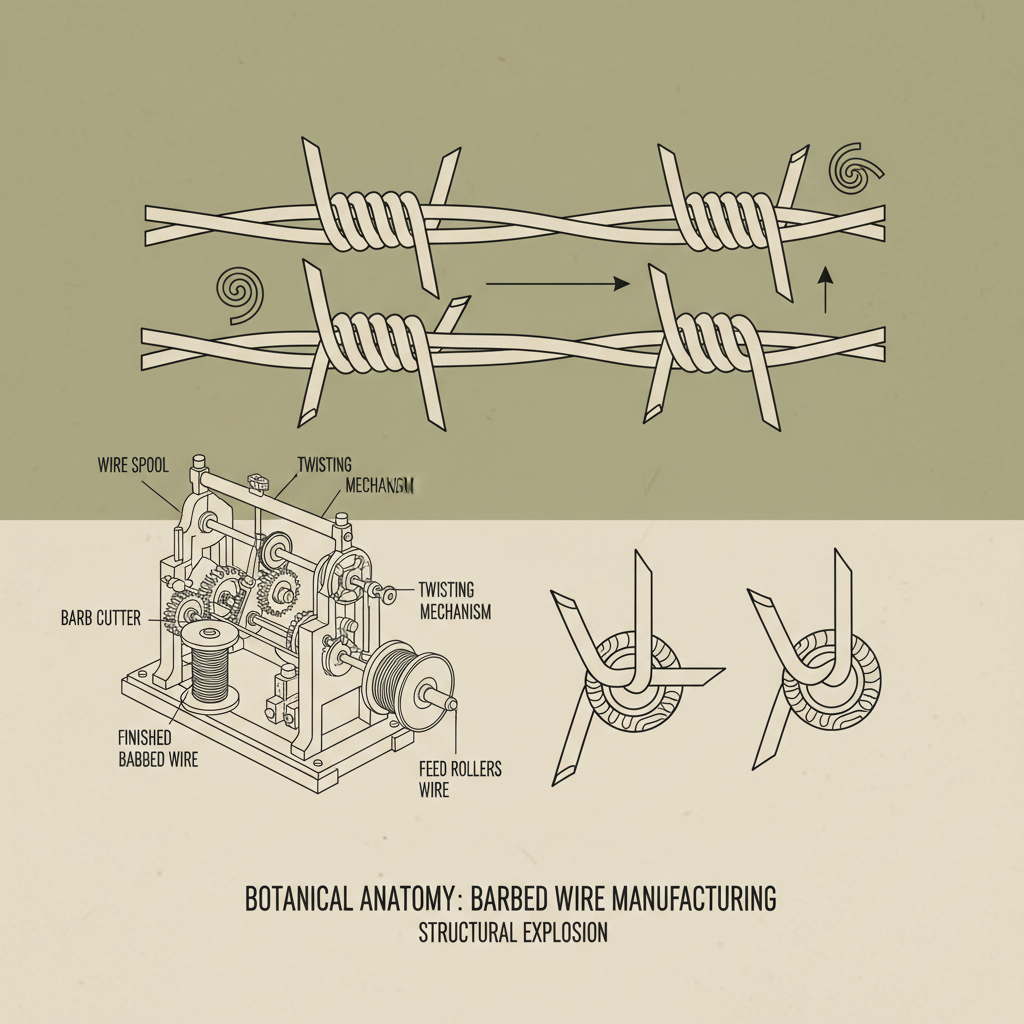
The demand is steady. Always is. Agriculture, security… you name it. But the types of applications are changing. More demand for high-security fencing, for sure. And a surprising amount of interest in specialized wire for erosion control. It’s not just about keeping things out anymore. It’s about managing land, protecting infrastructure… stuff like that. Strangely enough, there's also been a uptick in demand for vintage-style barbed wire for aesthetic purposes - farm renovations, that sort of thing.
The biggest trend, though? Automation in production. Everyone's trying to squeeze out efficiency. It's tough, though. Barbed wire manufacturing isn’t exactly a high-tech industry. It's a lot of bending, twisting, and welding. Getting robots to do that reliably… well, it’s a challenge.
In a coastal environment, the lifespan of standard galvanized barbed wire can be significantly reduced due to salt spray corrosion. You're looking at maybe 5-7 years before you start seeing substantial degradation. Using a heavier zinc coating, zinc-aluminum alloys, or PVC-coated wire can extend that to 10-15 years, but it's still going to require regular inspections and maintenance. The wind also plays a factor – constant salt-laden wind accelerates the corrosion process. Frankly, it's a harsh environment for any metal.
Cold temperatures, surprisingly, aren’t as bad as you might think. The metal actually gets harder and more brittle, but the corrosion rate slows down. The real issue is thermal expansion and contraction. The wire will shrink in the cold and expand in the warm, which can put stress on the posts and create slack. Proper installation with adequate tension is crucial. Also, some coatings can become more brittle in extreme cold, making them prone to cracking.
There’s no foolproof way, honestly. Barbed wire is designed to deter, and that means it will cause injury if an animal tries to get through it. The best you can do is install it properly – keep the bottom wire high enough off the ground to prevent smaller animals from getting tangled, and consider using smooth wire at the bottom. Electric fencing can also be a good addition, as it delivers a shock that discourages animals from even approaching the fence. But always check local regulations regarding animal welfare.
Oh, where do I even start? Insufficient post depth is a big one. Posts need to be firmly anchored in the ground to withstand the tension of the wire. Also, using the wrong type of staples – they need to be galvanized to prevent corrosion. And not maintaining proper tension – the wire will sag over time. Finally, not accounting for terrain variations. If you're going up or down a hill, you need to adjust the tension accordingly.
Yes, but it's not easy. The metal itself is recyclable, but separating the wire from the posts and removing the barbs is labor-intensive. Most scrap metal yards will accept it, but they may not pay much for it. The coatings can also complicate the recycling process, as they may contain harmful chemicals. It's definitely more sustainable to use recycled wire in the first place, if possible.
Regular inspections are key. Look for broken wires, loose staples, corroded posts, and sagging tension. You’ll need to replace damaged wires and staples as needed, and re-tension the wire periodically. Also, keep the vegetation around the fence clear to prevent it from damaging the wire. In coastal areas, you may need to apply a protective coating to the wire every few years to prevent corrosion. It’s not glamorous work, but it’s essential to keep the fence effective.
So, yeah. Barbed wire isn’t glamorous. It’s not high-tech. But it's a reliable, cost-effective solution for a lot of fencing needs. It’s been around for over a century for a reason. We’ve seen a lot of innovation in materials and manufacturing techniques, but the basic principles remain the same.
Ultimately, whether this thing works or not, the worker will know the moment he tightens the screw. You can design the best fence in the world, but if it’s not installed properly, it’s useless. That’s why experience, attention to detail, and a good understanding of the local conditions are so important. And a good pair of gloves, don’t forget the gloves.