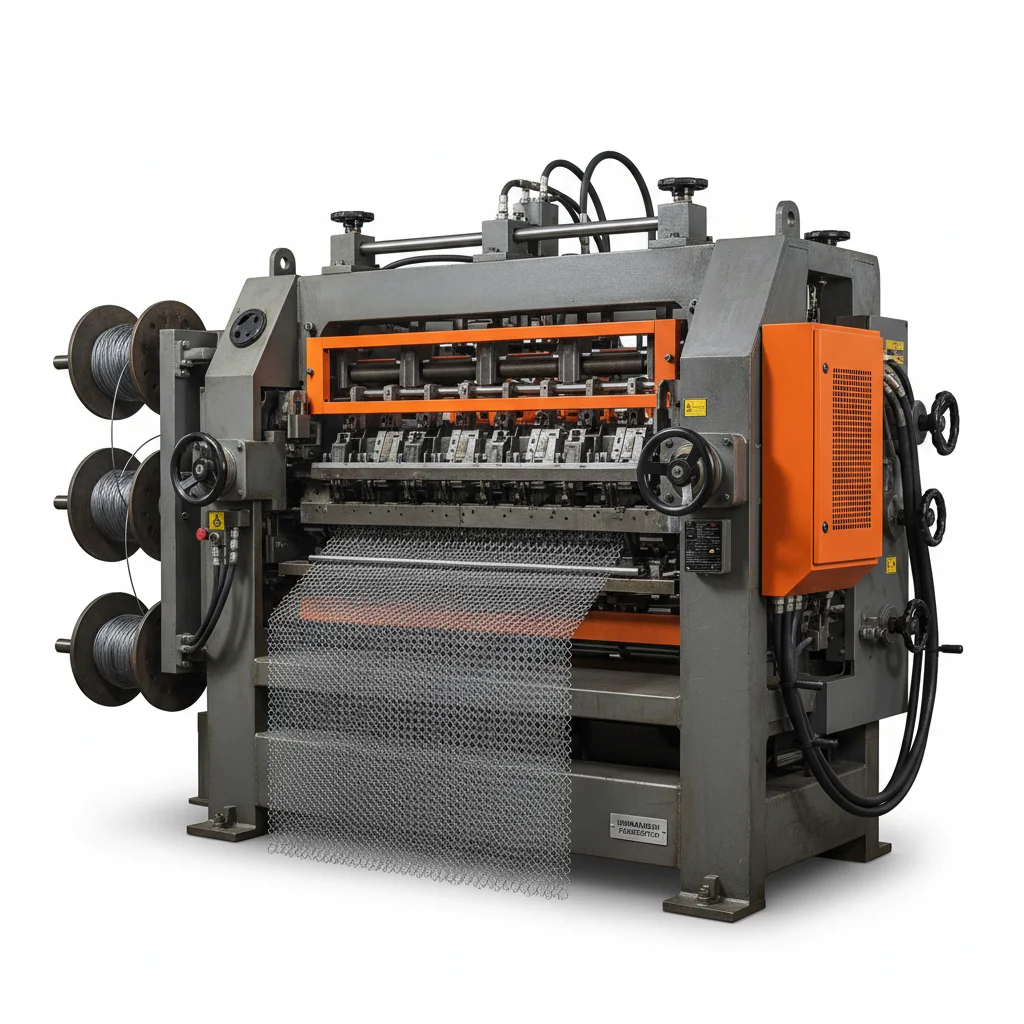
The global need for rapid and reliable shelter solutions has never been greater. Natural disasters, humanitarian crises, and the increasing demand for affordable housing all contribute to this urgent requirement. The brick force wire making machine addresses this need by enabling the localized production of durable, cost-effective building materials, specifically wire crucial for reinforcing brick structures and creating fast-deployment housing. This technology isn’t simply about construction; it’s about empowering communities and building resilience.
The relevance of the brick force wire making machine extends beyond immediate disaster relief. In developing nations, it facilitates sustainable building practices and reduces reliance on expensive imported materials. According to the UN, over 1.6 billion people worldwide lack adequate housing, a challenge that requires innovative, scalable solutions. The machine provides a pathway toward self-sufficiency, creating local jobs and strengthening regional economies.
Moreover, this technology plays a vital role in addressing the escalating global housing shortage. The World Bank estimates that nearly half the world’s population will live in urban areas by 2050, necessitating a significant increase in housing supply. The efficiency and scalability of brick force wire making machine are crucial components in meeting this demand, providing a means to construct durable and affordable housing at a faster pace.
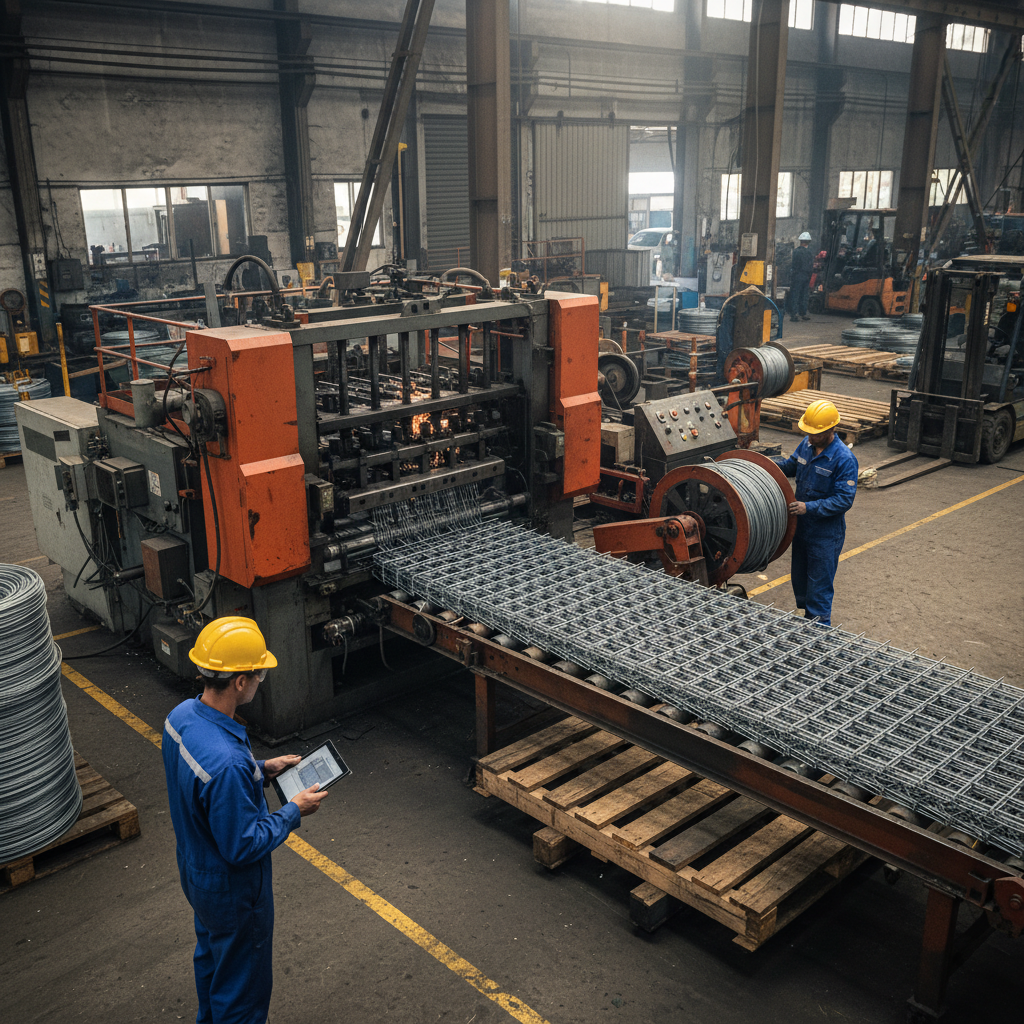
Introduction to brick force wire making machine
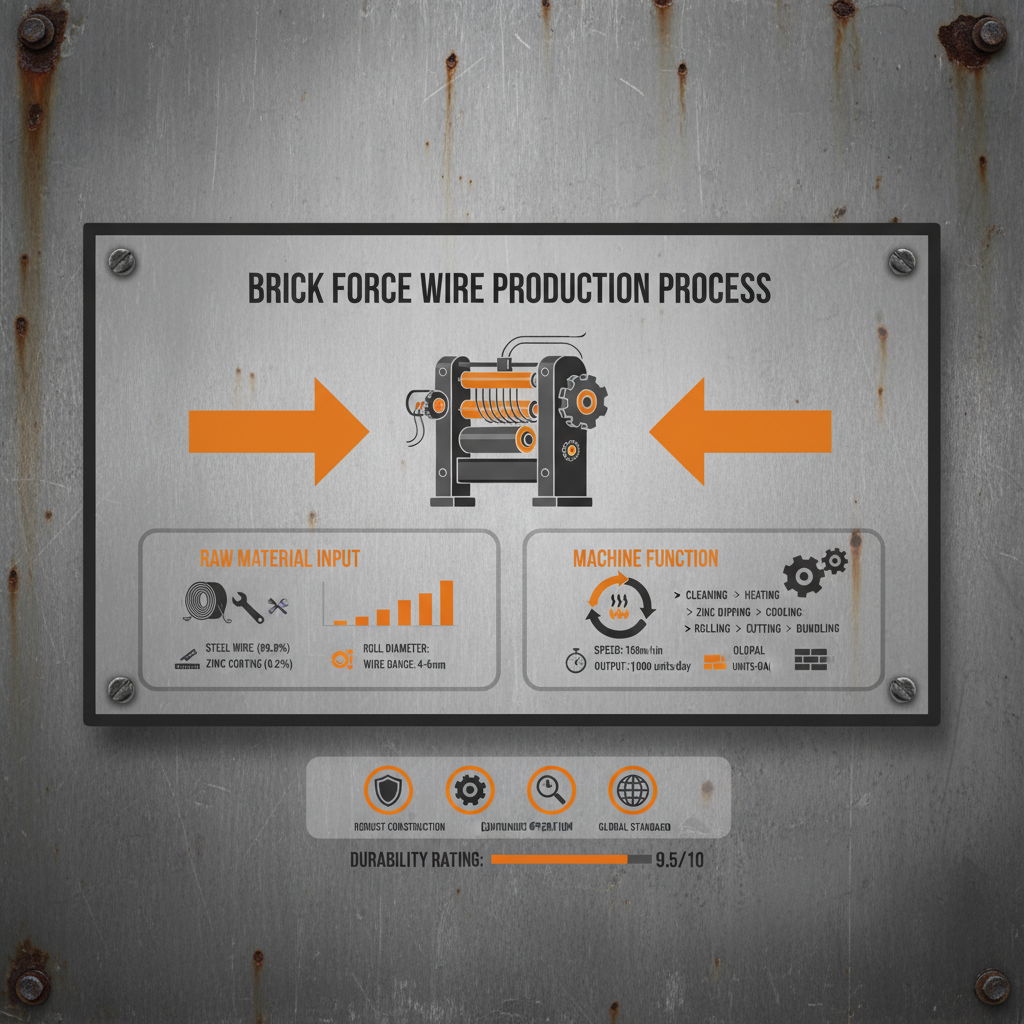
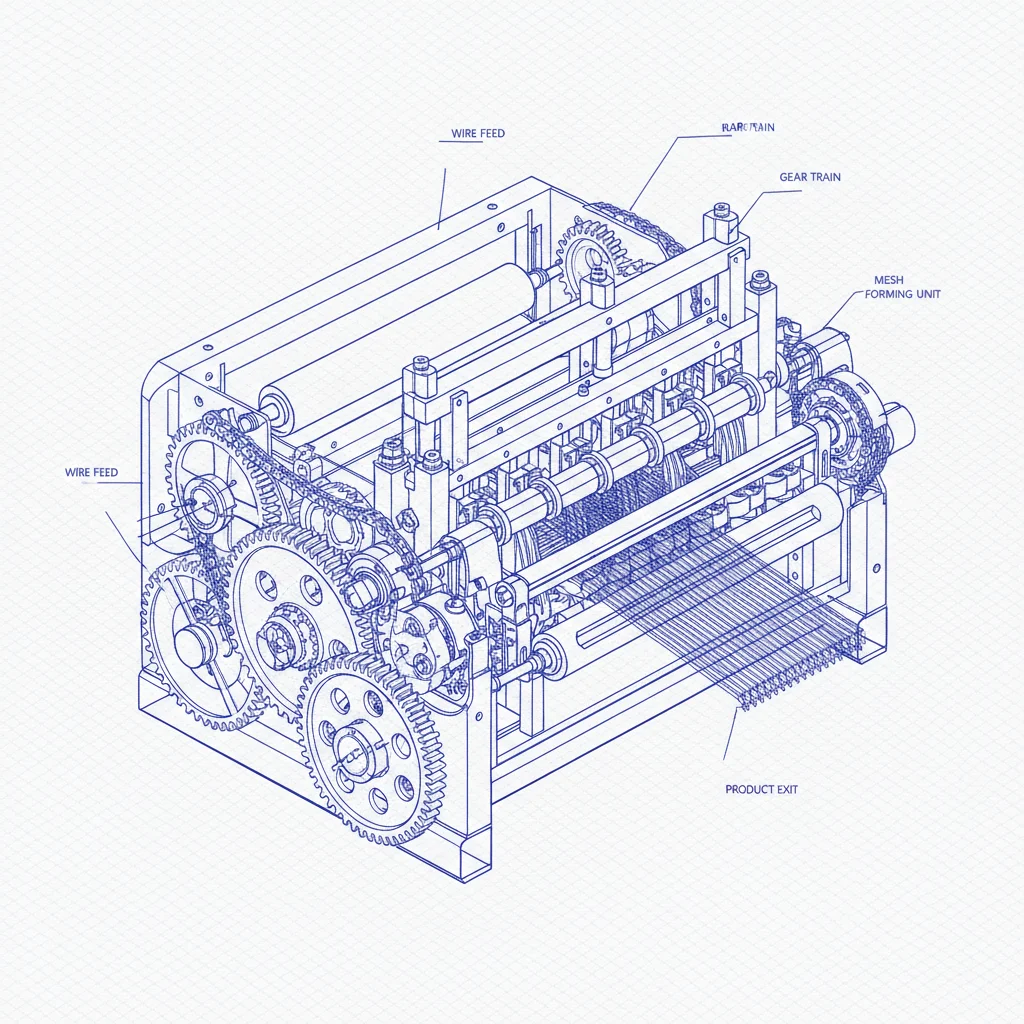
A brick force wire making machine is a specialized piece of equipment designed to produce the high-tensile wire essential for reinforcing brickwork, particularly in the construction of fast-deployment housing and disaster-resistant structures. This machine transforms raw materials—typically steel wire rod—into the specific gauge and strength required for effective brick force reinforcement.
Its importance stems from the need for readily available, robust building materials in areas prone to natural disasters or experiencing housing shortages. Rather than relying on lengthy supply chains, the machine allows for on-site or near-site production, drastically reducing costs and construction timelines. This localized manufacturing capacity empowers communities and fosters economic growth.
Defining the Technology
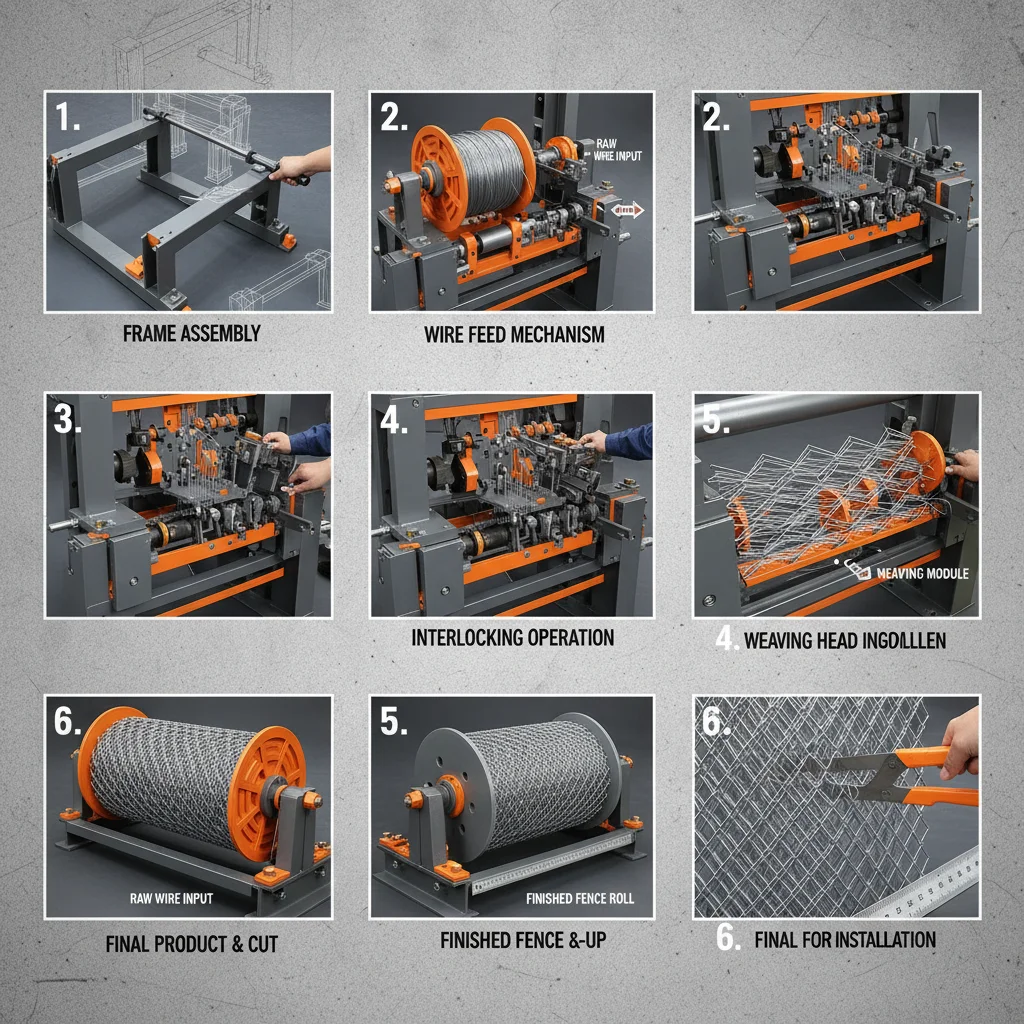
The brick force wire making machine essentially automates the process of drawing, cutting, and bending steel wire into pre-fabricated reinforcement elements. These elements are then embedded within brick masonry to significantly enhance its structural integrity, particularly its resistance to tensile forces and seismic activity. It’s a critical component in creating buildings that can withstand challenging environmental conditions.
This technology directly supports the principles of modern construction, focusing on durability, safety, and efficiency. It moves away from traditional building methods that often rely on labor-intensive processes and imported materials. Furthermore, it aligns with humanitarian needs by providing a rapid and scalable solution for providing shelter in emergency situations.
The machine's precision and control over the wire’s properties contribute to the overall quality and longevity of the constructed structures. The ability to customize wire dimensions and strength according to specific project requirements is a significant advantage over relying on standard, pre-made reinforcement materials.
Core Components and Factors
Durability: The quality of the steel wire used, combined with the machine’s ability to produce consistent and uniform reinforcement, directly impacts the lifespan and structural soundness of the buildings constructed. High-tensile steel is vital for withstanding significant stress.
Scalability: A key factor is the machine’s production capacity—how much wire it can generate per hour or day. This capacity dictates its ability to meet the demands of large-scale construction projects or rapid response scenarios. Scalability also hinges on the availability of raw materials and skilled operators.
Cost Efficiency: The machine’s ability to reduce reliance on imported materials and labor costs significantly contributes to overall cost savings. Lower production costs translate to more affordable housing and faster return on investment. Efficient energy consumption is also a component of cost efficiency.
Portability and Setup: The ease with which the machine can be transported and set up is crucial, especially in remote or disaster-affected areas. Compact and mobile designs allow for rapid deployment and immediate production.
Automation Level: The degree of automation determines the required skill level of the operator and influences production speed and consistency. Higher levels of automation can reduce errors and increase efficiency.
Maintenance Requirements: Low maintenance requirements minimize downtime and ensure continuous production. Easy access to spare parts and readily available technical support are also important considerations.
Global Applications & Use Cases
The brick force wire making machine finds applications in a wide range of scenarios, from post-disaster reconstruction to sustainable housing development. In post-disaster relief operations, it allows for the rapid construction of temporary shelters and permanent housing, reducing the reliance on external aid and empowering affected communities.
In remote industrial zones or developing countries, it provides a localized source of building materials, reducing transportation costs and creating employment opportunities. For example, organizations working in earthquake-prone regions utilize this technology to build resilient structures that can withstand seismic activity.
Furthermore, it's employed in large-scale affordable housing projects, offering a cost-effective solution for meeting the growing demand for housing in urban areas. NGOs and government agencies alike are increasingly recognizing the value of localized manufacturing in enhancing their disaster preparedness and sustainable development initiatives.
Comparison of brick force wire making machine Methods
Advantages and Long-Term Value
The brick force wire making machine offers a multitude of tangible benefits. Cost savings are significant due to reduced reliance on imported materials and labor. Sustainability is enhanced by promoting localized production and minimizing transportation-related carbon emissions. Social impact is felt through job creation and community empowerment.
From a practical standpoint, the increased structural integrity provided by reinforced brickwork translates to safer, more durable buildings. This fosters trust and security for occupants, particularly in areas prone to natural disasters. Furthermore, the technology encourages innovation in building design and construction techniques. It's an investment in long-term resilience and economic stability.
Future Trends and Innovations
The future of brick force wire making machine technology is likely to be driven by advancements in materials science and automation. The integration of sustainable steel production methods, such as using recycled materials or green energy sources, will further enhance the environmental benefits.
Digital transformation will play a key role, with the development of smart machines equipped with sensors and data analytics capabilities. These machines will be able to monitor performance, predict maintenance needs, and optimize production processes. Automation will increase production efficiency and reduce the need for skilled labor.
Challenges and Solutions
Despite its benefits, the adoption of brick force wire making machine technology faces certain challenges. Initial investment costs can be a barrier for small-scale enterprises. Ensuring a consistent supply of high-quality raw materials and providing adequate training for operators are also crucial considerations.
Solutions include exploring financing options, such as microloans and government subsidies, to help businesses overcome the initial investment hurdle. Establishing local sourcing networks for raw materials and developing comprehensive training programs will address the other challenges. Collaborations between manufacturers, NGOs, and government agencies can facilitate wider adoption and maximize the impact of this technology.
Furthermore, continuous research and development are needed to improve machine efficiency, reduce energy consumption, and develop innovative applications for reinforced brickwork. Addressing these challenges will unlock the full potential of this transformative technology.
Summary of Challenges and Potential Solutions
| Challenge | Impact Level (1-10) | Potential Solution | Implementation Cost (USD) |
|---|
| High Initial Investment | 8 | Microfinance & Government Subsidies | 5,000 - 20,000 |
| Raw Material Sourcing | 7 | Establish Local Supply Chains | 2,000 - 10,000 |
| Operator Training | 6 | Comprehensive Training Programs | 1,000 - 5,000 |
| Machine Maintenance | 5 | Preventive Maintenance Schedules & Spare Parts Availability | 500 - 2,000 (annual) |
| Limited Awareness | 4 | Marketing & Demonstration Projects | 3,000 - 7,000 |
| Lack of Standardization | 3 | Develop Industry Standards & Quality Control | 1,000 - 3,000 |
FAQS
A brick force wire making machine provides several key advantages. Firstly, it enables localized production, reducing reliance on expensive imports and long supply chains. Secondly, it offers greater control over the quality and specifications of the reinforcement wire, leading to more durable structures. Finally, it can significantly reduce labor costs and construction time, making it a more efficient and cost-effective solution, particularly in remote or disaster-affected areas.
Typically, high-tensile steel wire rod is used with a brick force wire making machine. The specific grade of steel will depend on the required strength and durability of the reinforcement. Commonly used grades include SAE 1008, 1006, and other similar high-carbon steel wires. The machine is designed to process a range of wire diameters to meet different project needs. Consult the machine’s specifications for compatible wire types.
The production capacity of a brick force wire making machine varies depending on the model and its automation level. However, a typical machine can produce anywhere from 500 to 2000 kilograms of reinforced wire per day. This capacity is sufficient to support significant construction projects or rapid disaster relief efforts. The actual output may depend on factors such as operator skill and wire feed rate.
While brick force wire making machines are designed to be user-friendly, some level of training is necessary for safe and efficient operation. Training typically covers machine setup, wire loading, operation controls, maintenance procedures, and safety protocols. Comprehensive training programs, lasting from a few days to a week, are generally recommended to ensure operators can maximize the machine’s capabilities and minimize downtime.
Regular maintenance is crucial for ensuring the longevity and optimal performance of a brick force wire making machine. This includes routine lubrication of moving parts, inspection and replacement of worn components, and cleaning of the machine. A preventive maintenance schedule, recommended by the manufacturer, should be followed diligently. Access to spare parts and technical support is also essential.
With proper maintenance and care, a brick force wire making machine can have a lifespan of 10-15 years or even longer. The lifespan depends on the quality of the machine, the frequency of use, and the environmental conditions in which it operates. Regular inspections, timely repairs, and adherence to the manufacturer's recommendations are key to maximizing the machine’s longevity and return on investment.
Conclusion
The brick force wire making machine represents a significant advancement in building technology, offering a cost-effective, sustainable, and scalable solution for addressing the global housing shortage and disaster relief needs. Its ability to localize production, enhance structural integrity, and empower communities makes it a vital tool for creating resilient and thriving environments. By reducing reliance on costly imports and fostering local economies, this technology contributes to long-term sustainable development.
Looking ahead, continued innovation in materials, automation, and digital integration will further enhance the capabilities of these machines. Investing in this technology is not merely about constructing buildings; it's about investing in the future—a future where safe, affordable, and durable housing is accessible to all. Visit our website at www.htmeshmachines.com to learn more about how our machines can contribute to your projects.